2026 Best Proximity Sensor Reviews Features and Buying Guide?
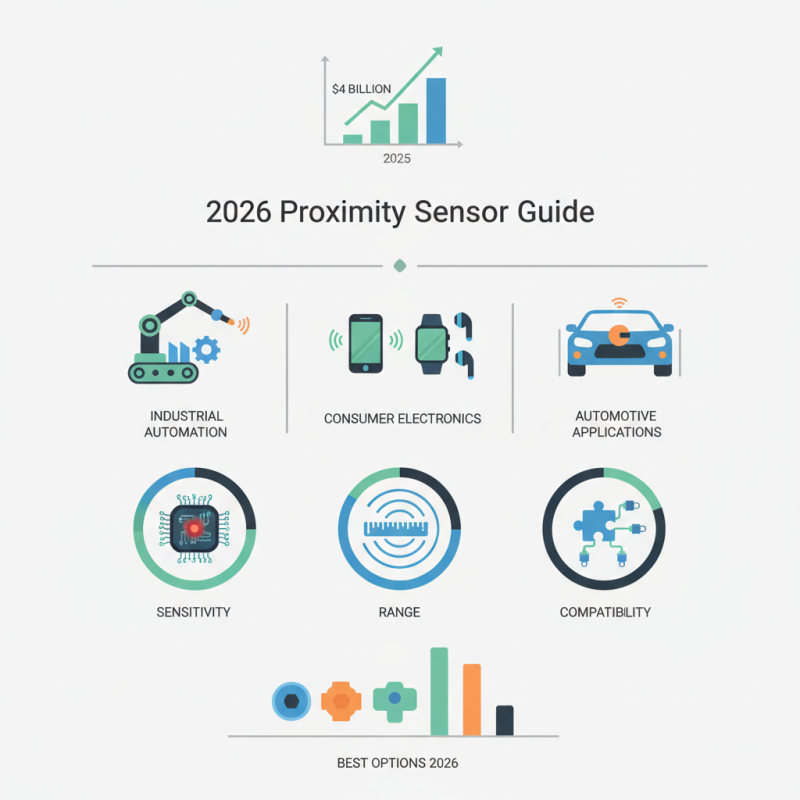
In recent years, the demand for Proximity Sensors has surged significantly. According to industry reports, the global Proximity Sensor market is expected to reach $4 billion by 2025. This growth is driven by advancements in automation and the increasing need for smart technologies in various sectors. Proximity Sensors play a crucial role in industrial automation, consumer electronics, and automotive applications.
The use of Proximity Sensors enhances efficiency and safety in operations. For instance, they can detect the presence of objects without physical contact. This capability reduces wear and tear, extending the lifespan of equipment. However, not all Proximity Sensors are created equal. It can be challenging to identify the best options available.
There are factors to consider, such as sensitivity, range, and compatibility. Many users overlook these key aspects, leading to suboptimal choices. Understanding the strengths and weaknesses of various Proximity Sensors is essential. This guide aims to provide insights and a comprehensive review of the best Proximity Sensors available in 2026.
2026 Proximity Sensor Overview: Types and Applications
Proximity sensors are essential in various applications, from industrial automation to consumer electronics. These devices detect nearby objects without any physical contact. They often rely on different technologies, such as capacitive, inductive, or ultrasonic sensing. Each type has unique strengths and weaknesses. For example, capacitive sensors can detect non-metallic objects, while inductive sensors focus on metal detection. This distinction can impact your choice.
In industrial settings, proximity sensors improve safety and efficiency. They facilitate automation in assembly lines, ensuring machines operate without interruption. However, selecting the right sensor can be challenging. Environmental factors, such as dust and temperature, can affect their performance. It's crucial to consider these elements when making a purchase.
Moreover, the integration of sensors into existing systems may not be straightforward. Some setups require modifications to accommodate new devices. Users may encounter installation issues or compatibility challenges. Testing and calibration are essential to ensure proper functionality. Addressing these imperfections can enhance overall system reliability and performance.
2026 Best Proximity Sensors Performance Comparison
Key Features to Consider When Choosing Proximity Sensors
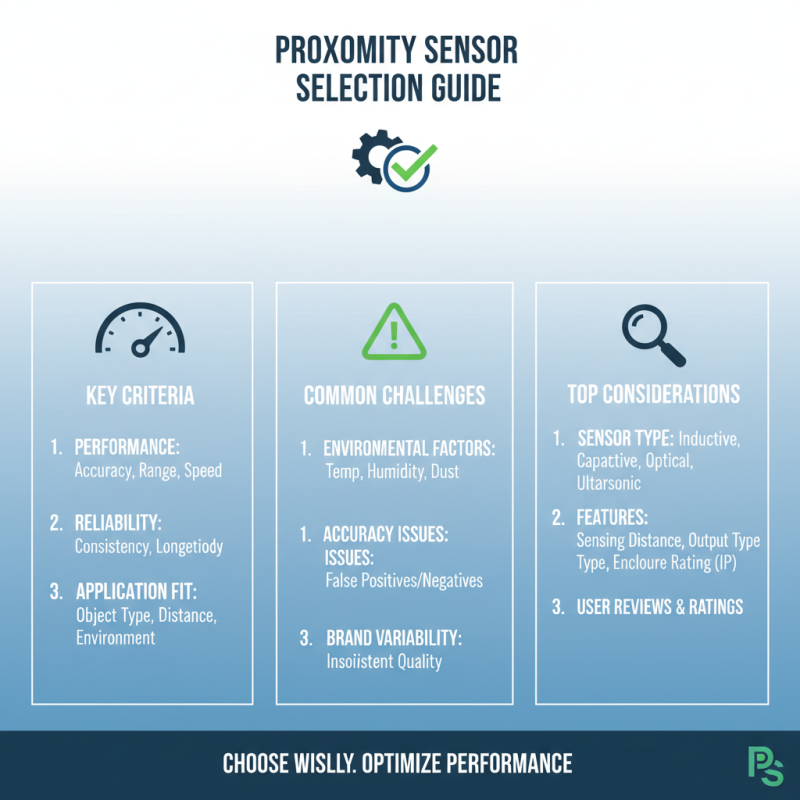
When selecting proximity sensors, understanding key features is essential. Look for sensing distance. It often ranges from a few millimeters to several meters. The right range impacts performance significantly. Sensor types, such as inductive, capacitive, and ultrasonic, serve different applications. Inductive sensors excel in metal detection, while capacitive sensors manage various materials.
Another critical factor is the environment. Consider temperature, humidity, and potential exposure to dust or liquids. For harsh conditions, look for sensors with higher IP ratings. These ratings indicate better resistance to environmental factors. A report from MarketsandMarkets suggests that robust sensor designs enhance reliability in industrial settings by up to 30%.
Tips to remember: Ensure compatibility with existing systems. Check the output signal type, such as analog or digital. This can affect integration efficiency. Evaluate the mounting options as well. Not all sensors fit every layout. Confirm specifications align with your unique requirements. A mismatch can lead to performance issues down the road. Consider these factors carefully. It could save you from costly mistakes later.
Top 5 Proximity Sensor Brands: Performance and Reliability Comparison
When choosing a proximity sensor, performance and reliability are critical. Different brands offer various features that cater to distinct applications, but not all of them consistently meet expectations. Some sensors excel in detecting objects within tight spaces, while others struggle with accuracy. Buyers often report issues that stem from fluctuating environmental conditions affecting sensor performance.
Furthermore, durability can vary significantly across manufacturers. Some proximity sensors fail after minimal exposure to dust or moisture, while others withstand harsh conditions for years. Users should pay attention to installation quirks, which can affect sensor effectiveness and lifespan. Reviews often highlight experiences, revealing gaps between specifications and real-life functionality.
Issues do arise that require consideration. For example, false readings can lead to automation failures. Buyers should acknowledge that not every sensor performs well in every scenario. Doing thorough research is essential for understanding the nuances of each product. A reliable choice will not just depend on brand names but on real user experiences and detailed performance comparisons.
Industry Statistics: The Growth of Proximity Sensor Market in 2026
The proximity sensor market is experiencing significant growth. In 2026, the industry is set to expand rapidly. Statistics show the increasing demand for these sensors across various applications. They are essential for automation, robotics, and smart devices. Many sectors are adopting advanced technology, driving this growth.
Several factors contribute to this trend. First, the rise in automation is a key player. Industries are leaning toward streamlined processes. This often leads to increased efficiency and reduced labor costs. However, the shift raises questions. Are companies ready for this change? Training workers is critical but often overlooked.
Market reports highlight the importance of reliable sensors. Inaccuracies can lead to costly errors. Stakeholders must ensure quality and standards. There's a continuous push for innovation, but challenges remain. Not every company can adapt quickly. Balancing investment and practicality is a common struggle. These factors will shape the market in the coming years.
Buying Guide: Evaluating Proximity Sensor Performance Specifications
When evaluating proximity sensors, understanding their performance specifications is crucial. Key metrics include sensing distance, response time, and operating temperature range. A recent industry report highlighted that sensors with a sensing distance of over 20 cm often exhibit enhanced reliability. Accuracy and consistency are vital in industrial applications.
Another important aspect is the response time. Most sensors fall within a 1 to 10 ms range. Sensors with a faster response time are generally preferred in high-speed automation. However, a trade-off often exists between sensitivity and range. For example, increasing sensitivity can sometimes lead to a shorter operational distance. Such nuances require careful consideration.
Operating temperature also plays a significant role. Sensors designed for extreme conditions often have a wider temperature range. Yet, they can be more costly. It's essential to balance performance needs with budget constraints. Users should prioritize specifications that align closely with their operational requirements. Recognizing potential shortcomings helps inform better decisions.