How to Choose the Best Aluminum Heatsinks for Your Needs?
Choosing the right aluminum heatsinks can significantly affect your project's success. Dr. Emily Foster, a renowned thermal management expert, states, "Proper heat dissipation is crucial for the longevity of electronics." Her insights highlight the importance of understanding aluminum heatsinks and their various specifications.
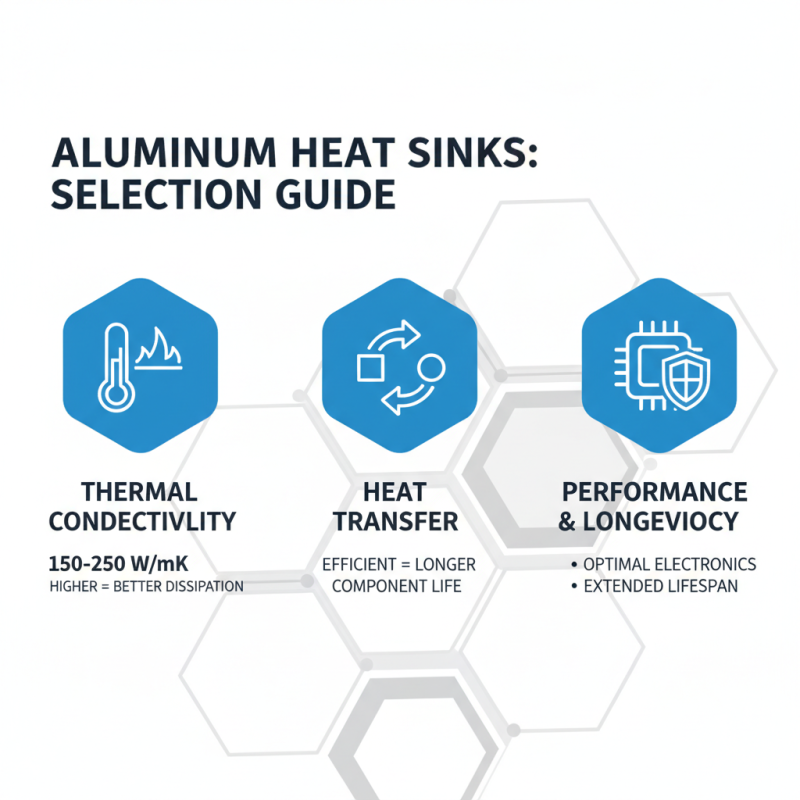
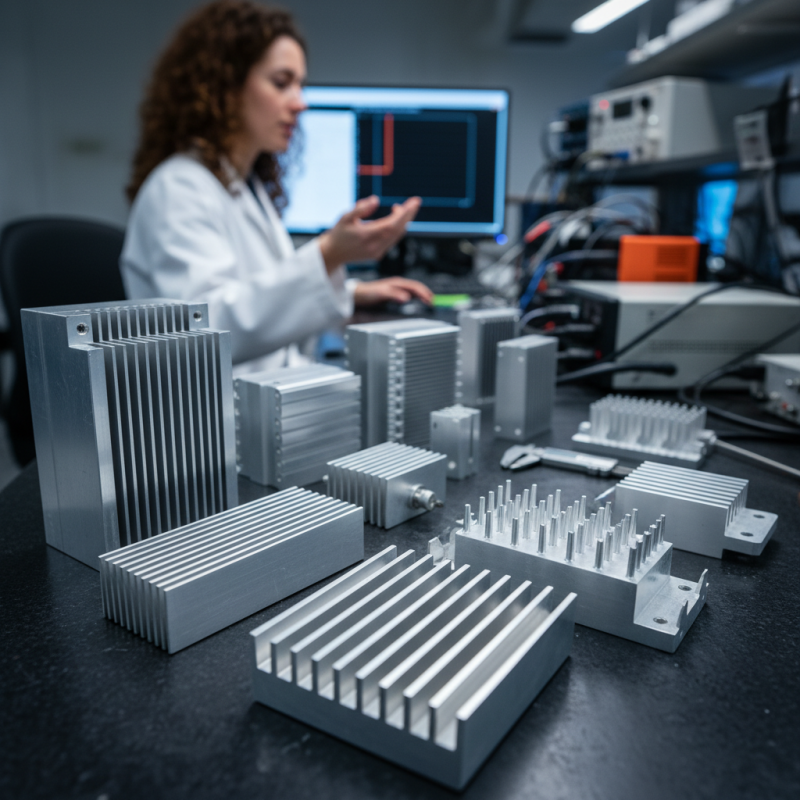
Aluminum heatsinks come in multiple shapes, sizes, and designs. Each element contributes to its cooling efficiency. Factors like thermal conductivity, surface area, and weight should influence your decision. An unsuitable heatsink may lead to overheating and device failure.
In today's market, it is essential to choose aluminum heatsinks that suit your unique requirements. Evaluate both performance and budgetary constraints. Many products appear ideal but fall short under real-world applications. Finding the right option requires thorough research and sometimes daunting trade-offs. Engage with professionals who can provide insights based on experience.
Understanding the Importance of Aluminum Heatsinks in Thermal Management
Aluminum heatsinks play a crucial role in thermal management across various applications. They dissipate heat efficiently, protecting electronic components from damage. This is especially vital in high-performance systems, where overheating can lead to failures. The right heatsink design improves reliability, extending the lifespan of devices.
Effective thermal management requires a deep understanding of heat transfer principles. Aluminum, with its excellent thermal conductivity, serves this purpose well. Choosing the right size and shape of the heatsink is essential. A larger surface area often means better heat dispersion. However, larger isn't always better. In some situations, space constraints hinder the use of oversized heatsinks.
Often, users underestimate airflow's impact on heatsink performance. Adequate airflow enhances heat removal, significantly improving efficiency. Yet, achieving optimal airflow can be challenging in compact designs. Additionally, users may overlook the importance of mounting techniques. Proper installation is critical to ensure effective thermal contact. These nuanced details matter greatly in real-world applications. Recognizing and addressing them can lead to a more effective cooling solution.
Different Types of Aluminum Heatsinks and Their Applications
When selecting aluminum heatsinks, it’s crucial to understand the various types available. Extruded heatsinks are popular for their cost-effectiveness. They are easy to produce and can be shaped into complex designs. Cold plate heatsinks, however, offer superior thermal conductivity. They are often used in applications requiring efficient heat removal.
Another option is finned heatsinks. These feature extended surfaces that increase heat dissipation. They are effective in environments with limited airflow. Forced convection heatsinks can dramatically enhance cooling performance. They are ideal for high-power applications where temperature management is critical.
Tips: Always consider the thermal resistance of the heatsink. A lower thermal resistance indicates better performance. Check the compatibility with your equipment. Not all heatsinks fit every device perfectly, leading to inefficiencies. Additionally, pay attention to the size and weight. Oversized units can impede airflow, leading to potential overheating issues.
Selecting the right heatsink can be challenging. It requires assessing your cooling needs and the specific environment. Reflect on the required cooling capacity and space constraints. Evaluate how these factors influence your final choice.
Different Types of Aluminum Heatsinks and Their Applications
Evaluating the Efficiency of Aluminum Heatsinks for Your Project
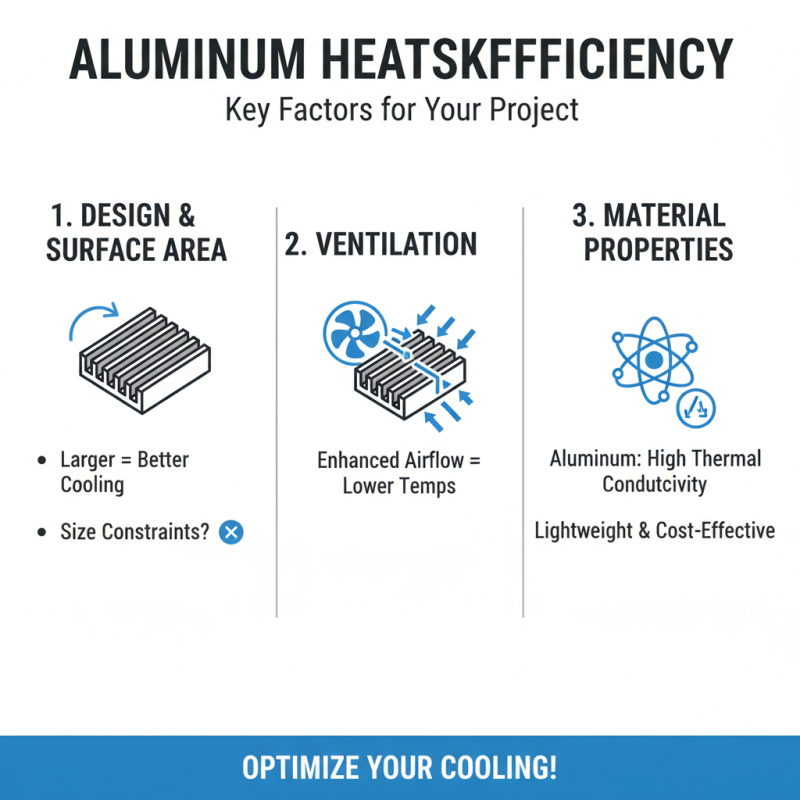
When evaluating the efficiency of aluminum heatsinks for your project, it's essential to understand the key factors that affect performance. The design and surface area significantly impact heat dissipation. Larger heatsinks typically provide better cooling, but size constraints can be a challenge. Ventilation is another important aspect. A well-ventilated space enhances airflow, which can reduce temperatures effectively.
Thermal conductivity is crucial too. Aluminum is widely favored due to its excellent heat conduction properties. However, not all aluminum heatsinks are created equal. Some may have a coating that affects thermal conductivity. It’s important to consider these materials. A heatsink with a rough surface can increase heat transfer by providing more contact area.
Efficiency also depends on the application. A heatsink suitable for one project may not work for another. It's vital to reflect on specific needs, such as fan compatibility and ambient temperature. These factors can influence the overall thermal management of your system. Researching different designs and materials will help identify the most effective solution. Trusting your judgment here is key, as manufacturers may not always provide complete information.
Tips for Customizing Aluminum Heatsinks to Meet Specific Needs
When selecting aluminum heatsinks, understanding your specific needs is crucial. Customization is key to achieving optimal thermal management. Begin by assessing the heat output of your application. This will guide you in choosing the right size and shape. A well-designed heatsink can dramatically improve efficiency.
Consider the material thickness as it affects performance. Thicker fins may dissipate heat better, but they add weight and bulk. Precision in design can enhance airflow. Computational fluid dynamics can help visualize airflow patterns. This ensures that your heatsink effectively cools critical components.
Including mounting options is essential for versatility. They can impact installation ease and overall effectiveness. Testing prototypes can reveal unexpected issues. Continuous evaluation is important to refine your design. Custom solutions often require a balance between thermal performance and practical limitations.