How to Choose the Best Temperature Controller for Your Needs?
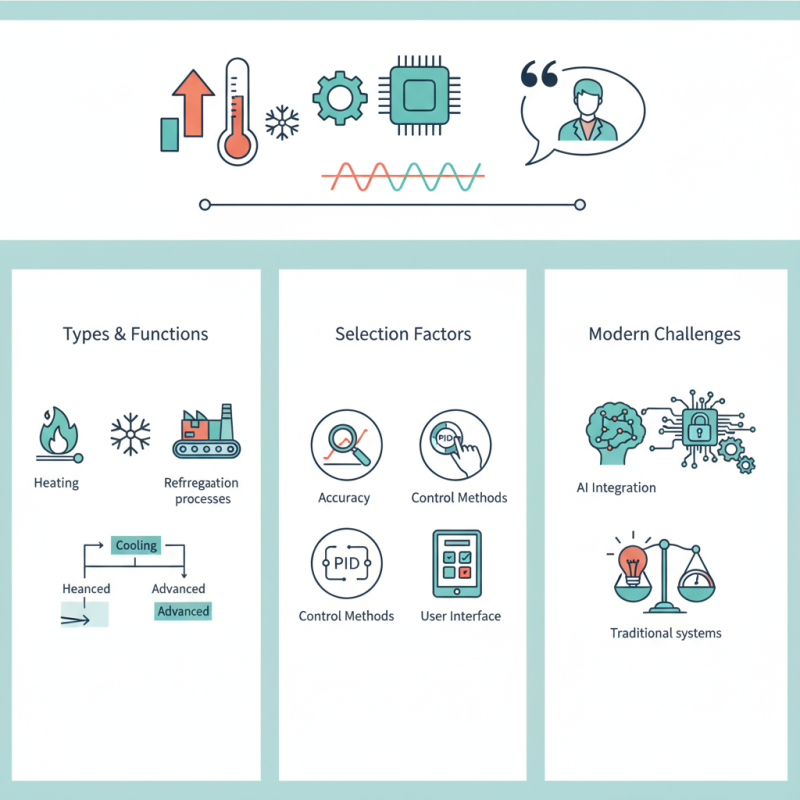
Choosing the right temperature controller can significantly impact various industries. An expert in the field, Dr. Emily Parker, once stated, “The right temperature controller not only enhances efficiency but also ensures product quality.” This insight highlights the importance of careful selection in this technological realm.
Temperature controllers vary in types and functions. They can include systems for heating, refrigeration, and even advanced manufacturing processes. The specific needs of an application dictate which type will work best. Factors such as accuracy, control methods, and user interface can make a difference in effectiveness.
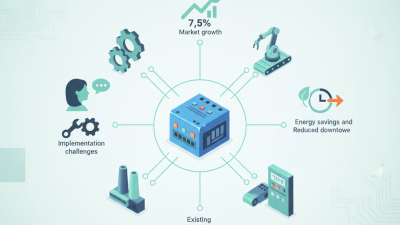
The growing focus on smart technology brings both promise and complexity. Companies now face the challenge of integrating AI-driven solutions with traditional systems. The balance between innovation and reliability is crucial. Reflecting on these aspects is vital in an era where precision matters.
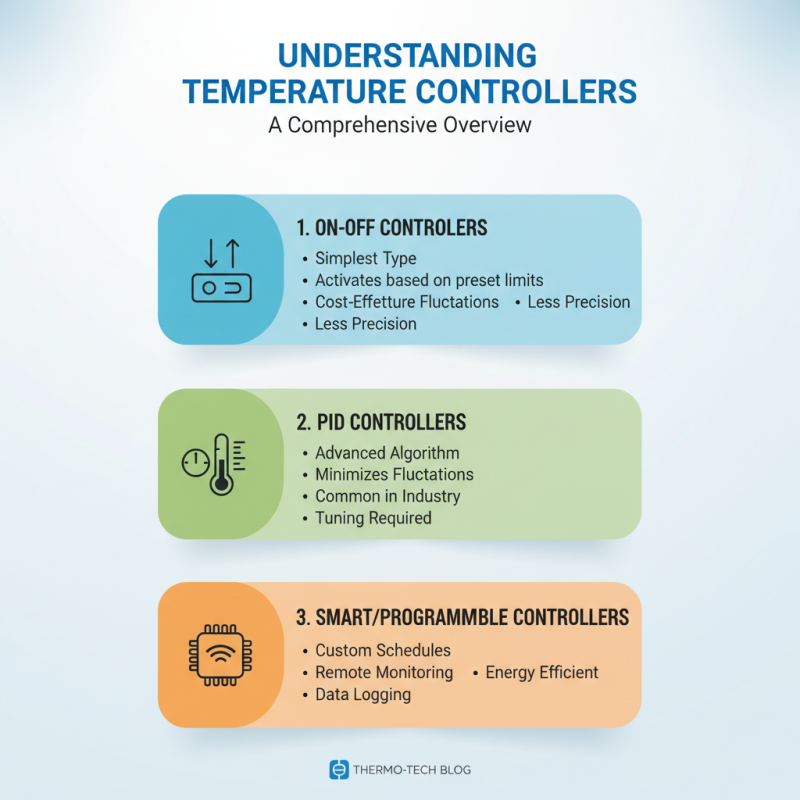
Understanding Different Types of Temperature Controllers: A Comprehensive Overview
When selecting a temperature controller, understanding the different types available is crucial. Basic on-off controllers are the simplest option. They activate heating or cooling systems based on preset temperature limits. These controllers are cost-effective but can lead to temperature fluctuations. Precision may be sacrificed in high-demand scenarios.
For more sensitive applications, PID controllers offer advanced functionality. They continuously adjust the output to maintain a steady temperature. This type is beneficial in labs or industrial processes. It minimizes overshoot and provides better control at critical points. Yet, they can be complex to set up and require some expertise.
Another option is programmable temperature controllers. These allow users to set specific temperature profiles over time. This can be useful for manufacturing processes with varying requirements. However, programming errors can lead to significant issues. Therefore, careful planning is essential. Choosing a temperature controller should reflect your specific needs and environments. Each option has strengths and weaknesses to consider.
Key Features to Consider When Selecting a Temperature Controller
When choosing a temperature controller, focus on key features that meet your specific needs.
Accuracy is crucial. A controller that can maintain temperature fluctuations within a small range helps ensure consistent results.
Look for models that offer precise readings and adjustments. Additionally, consider the control type. Some use on/off systems, while others employ proportional control.
The latter provides smoother temperature management.
Another feature to evaluate is the display. A clear and easy-to-read interface can save time during operation.
Digital displays often come with backlighting, which is useful in low-light environments. Don't overlook connectivity options, either.
Some controllers allow remote monitoring or integration with smart devices. This can be a game-changer for busy professionals who manage multiple systems.
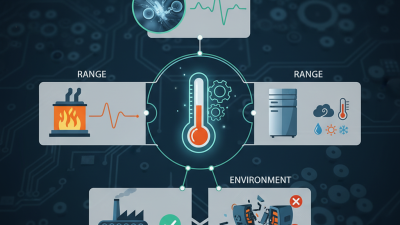
Finally, think about the environment where the controller will be used. Will it be in a humid area or near machinery?
The durability and reliability of the device are essential. Materials should withstand specific conditions without degrading.
Setting the right parameters is vital. Mistakes here can lead to significant issues. Reflect on how often you will need to adjust these settings.
This will determine the overall usability and effectiveness of the temperature controller you choose.
Evaluating Compatibility with Your System: Sensors and Actuators
When selecting a temperature controller, it's crucial to assess its compatibility with your existing system. This involves a careful examination of sensors and actuators. Every sensor type has its strengths and limitations. For instance, thermocouples offer wide temperature ranges but may require additional calibration. Resistance temperature detectors (RTDs) provide accuracy but can be more expensive. Understanding these differences helps in making the right choice.
Actuators are equally important in your selection process. They control the temperature based on the signals from sensors. Do you need a relay, a solid-state device, or something else? Each type comes with specific advantages. For example, relays are reliable but may wear out over time. On the other hand, are durable and often faster but can be costlier.
Consider how your system will grow. Will it expand? Compatibility might change as you add new components. Reflect on whether the chosen controller can adapt to future sensors or actuators. Taking time to analyze these elements can save you headaches later. Ensure your
investment aligns with both current and future needs.
Assessing Accuracy and Response Time for Optimal Performance
When selecting a temperature controller, accuracy and response time are critical. A recent industry survey indicates that 72% of professionals prioritize accuracy when choosing controllers. A small variance can lead to significant process disruptions. Keeping the temperature within ±0.5°C can enhance the reliability of many applications. This level of precision is essential for chemical reactions and sensitive manufacturing processes.
Response time is equally important. Studies show that a controller with a response time of fewer than 5 seconds can maintain stability effectively. For instance, a slower response time can cause fluctuations, affecting product quality. Many users report frustrations with devices that take too long to adjust. In environments where temperature changes rapidly, quick adjustments are vital for optimal performance.
Investing time in understanding your specific needs can help identify the right controller. Some reports suggest that inefficient temperature controls can lead to a 20% loss in operational efficiency. Reflecting on various operational scenarios is essential. Failures in temperature management can be costly, affecting both quality and safety. Consider how often temperature adjustments are needed in your setup. This reflection can guide you toward a suitable choice.
Temperature Controller Accuracy and Response Time Assessment
Analyzing Cost vs. Functionality: Finding the Right Balance for Your Needs
When choosing a temperature controller, balancing cost and functionality is crucial. You want to ensure it meets your needs without overspending. A lower price tag might tempt you, but consider what you might be sacrificing. Cheaper models often lack essential features.
Tips: Assess what features are non-negotiable for you. For instance, if you need precise temperature control, invest in better functionality.
Many controllers come with various functions. Some include Wi-Fi connectivity, while others provide only basic settings. Think about your daily use. Will you monitor temperatures often, or can you manage with less? Sometimes, a more feature-rich model can save time and effort in the long run.
Tips: Read user reviews. They reveal real experiences, highlighting what works and what doesn’t. Don't only focus on the price.
A tempting option might be a simple unit. However, reflect on your requirements. Will it suffice if your needs change? You might regret a hasty choice when faced with limitations. Seek to find the right balance for your unique situation.