Top 10 Essential Cooling Heat Sink Tips You Need to Know?
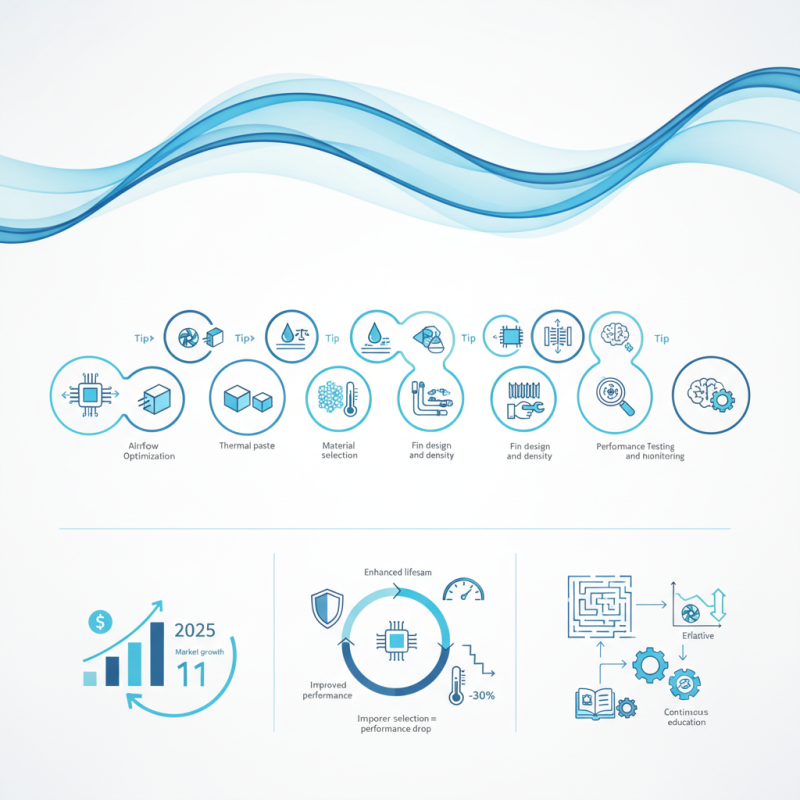
In today's high-performance electronics landscape, effective heat management is crucial. The demand for Cooling Heat Sinks has surged, driven by compact designs and increased energy consumption. According to a report by **MarketsandMarkets**, the global heat sink market is expected to reach **$11 billion** by 2025, reflecting a growing emphasis on thermal management.
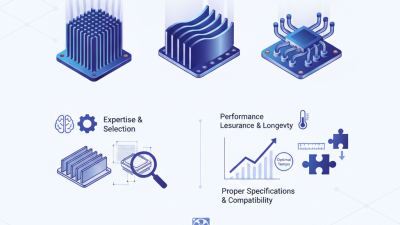
Cooling Heat Sinks play a vital role in maintaining optimal temperatures. An efficient heat sink can reduce device temperatures, prolonging lifespan and enhancing performance. However, not all designs are equally effective. A study from **IEEE** highlights that improper heat sink selection can lead to performance drops by **30%** or more. This emphasizes the need for thorough understanding and careful attention to detail.
Yet, many engineers overlook fundamental design principles. Some may prioritize size over efficiency, resulting in inadequate cooling solutions. As the industry evolves, continuous education on Cooling Heat Sink technology becomes paramount. By grasping essential tips and strategies, professionals can navigate this complex field, ensuring reliable and effective heat management in their applications.
Understanding the Importance of Heat Sinks in Electronics Cooling
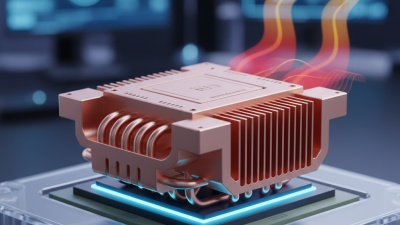
Heat sinks are crucial in electronics. They dissipate heat from components, preventing overheating. This is especially important in high-performance devices. Without effective cooling, components can fail prematurely.
One essential tip is to ensure proper contact between the heat sink and the component. Use thermal paste for better heat transfer. Another important aspect is airflow. Good circulation around the heat sink enhances its efficiency. Without adequate airflow, even the best heat sinks struggle to perform.
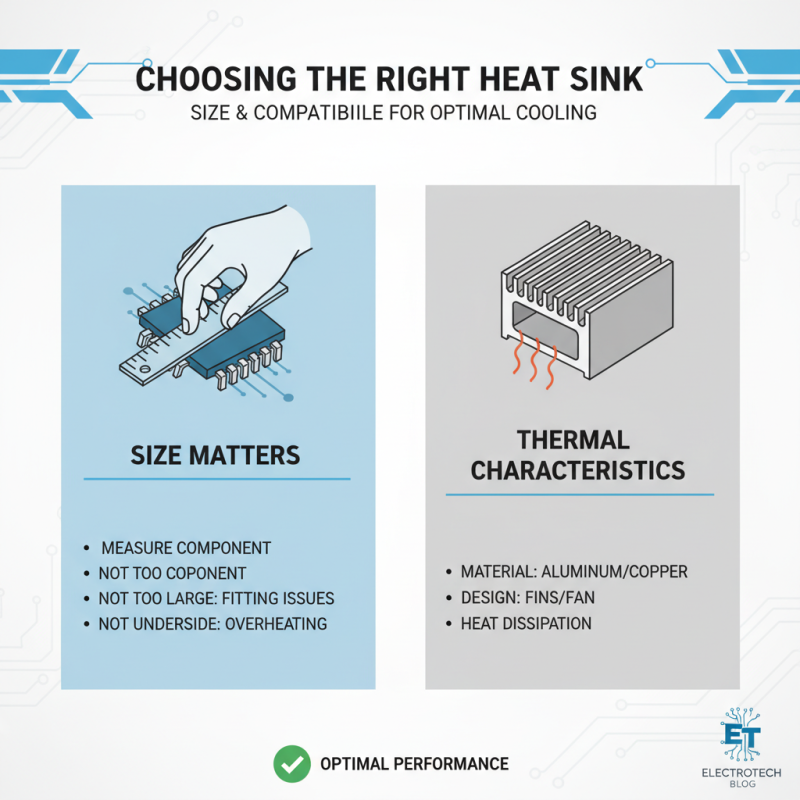
Consider the material of the heat sink. Aluminum is common, but copper offers better thermal conductivity. Evaluate your design needs. Sometimes, it is a challenge to balance size and efficiency. Larger heat sinks may cool better, but they take up valuable space. It's a constant negotiation in design.
Factors Affecting Heat Sink Performance: Material and Design Considerations
The performance of a heat sink greatly depends on its material and design. Common materials include aluminum and copper. Aluminum is lightweight and cost-effective, but copper offers better thermal conductivity. Recent studies indicate that copper can be 60% more efficient than aluminum in heat transfer. This decision significantly impacts overall cooling efficiency in electronics.
Tip: Consider the thermal conductivity of the chosen material. Higher conductivity means better heat dissipation. However, weight and cost are also crucial. Striking a balance is essential.
Design plays a key role as well. Fins, for instance, increase surface area, enhancing heat dissipation. The spacing and shape of these fins can make a notable difference. A study found that optimized fin designs can improve heat dissipation by up to 30%.
Tip: Always evaluate the airflow around the heat sink. Proper airflow can enhance the cooling effect. An improper design can lead to hot spots, making the system less efficient. Remember to account for real-world conditions, as theoretical designs may not perform as expected.
Top 10 Essential Cooling Heat Sink Tips You Need to Know
Effective Methods for Enhancing Heat Dissipation in Your Heat Sink
Heat dissipation is crucial for performance. Effective methods can significantly enhance your heat sink's efficiency. According to a study by the International Journal of Thermal Sciences, a well-designed heat sink can improve thermal conductivity by over 30%. Understanding airflow dynamics is vital. Properly aligning fan orientations can create a streamlined airflow, greatly reducing thermal resistance.
Material choice impacts performance. Copper is often recommended for its high thermal conductivity. However, aluminum is lighter and offers decent performance at a lower cost. A report from the Journal of Applied Physics highlights that using advanced composite materials can improve heat dissipation even further. Experimenting with different surface finishes can yield different thermal outcomes, showing that not all finishes are equal.
Another critical aspect is temperature monitoring. Sensors can help identify hotspots in real time. Without proper feedback, a heat sink may underperform. Regular testing reveals that many designs do not reach optimal performance. Continuous improvement should be the goal, reflecting on what works and what doesn’t can lead to better designs.
Maintenance Tips for Optimizing Heat Sink Efficiency Over Time
Heat sinks play a crucial role in thermal management for modern electronic devices. Proper maintenance is essential for maximizing their efficiency over time. Studies show that a well-maintained heat sink can improve thermal performance by up to 30%. This highlights the importance of routine checks and cleaning.
One effective tip for maintaining heat sinks is to regularly clean them. Dust and debris can accumulate, hindering airflow. Use compressed air or a soft brush to remove any buildup. It's easy to overlook this step, but neglect can lead to overheating and reduced performance.
Another important aspect is thermal paste. Over time, thermal paste can dry out and lose its effectiveness. Reapplying it every few years can maintain optimal heat transfer. Remember, applying too much paste can cause more problems than it solves. Precision is key; just a thin layer is sufficient.
Monitoring ambient temperatures around the devices is also vital. High surrounding temperatures can adversely affect heat sink efficiency. Install monitoring tools to keep track and adjust the environment as necessary. This is often ignored but crucial for long-term performance.