Why is a Temperature Controller Essential for Precision Applications?
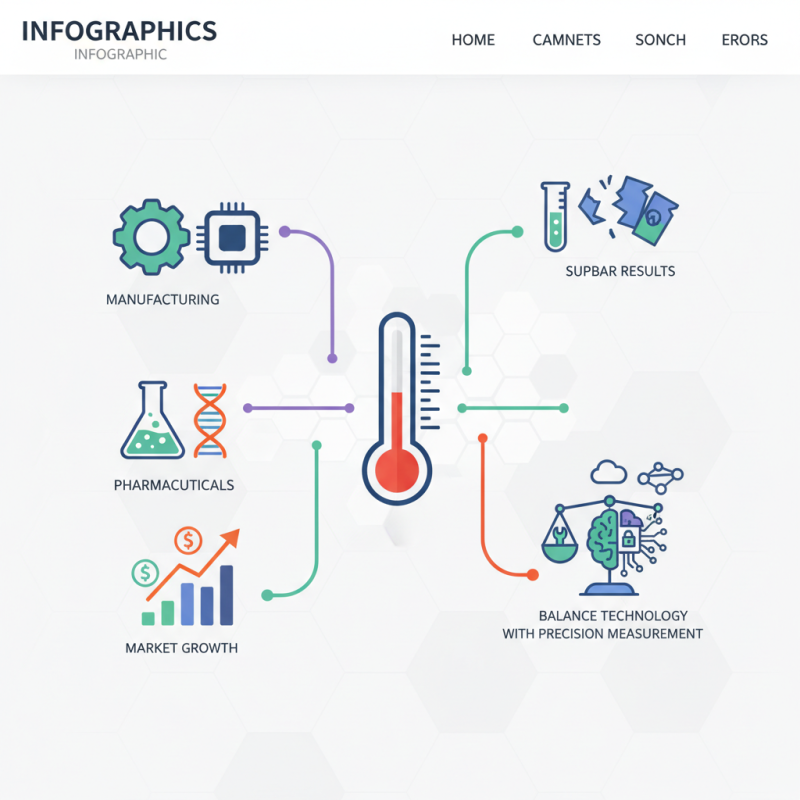
In precision applications, temperature control is crucial. A study by Global Market Insights estimates that the temperature controller market will exceed $3 billion by 2026. These devices ensure stability in critical processes like manufacturing and pharmaceuticals. Dr. Emily Carter, a leading expert in thermal management, stated, “A reliable Temperature Controller can be the difference between success and failure in precision applications.”
Temperature variations can lead to subpar results in many industries. For instance, in semiconductor manufacturing, 1°C can impact yield rates. A temperature controller helps maintain the specified conditions, enhancing quality and consistency. However, many facilities still face challenges in accurately calibrating their systems. The lack of precision may lead to costly errors and decreased efficiency.
The integration of AI technology in temperature control is a promising development. It could help optimize processes and reduce human error. Yet, reliance on technology may also create vulnerabilities. Businesses must continuously evaluate their setups to ensure they are not overly dependent on these innovations. Balancing technology with precision measurement remains essential for success in various fields.
Importance of Temperature Control in Precision Applications
Temperature control plays a vital role in many precision applications. Whether in laboratories or manufacturing, the need for accurate temperature regulation can't be overstated. It ensures that processes run smoothly and products maintain their quality. Fluctuations can lead to inconsistencies. This is especially true in chemical reactions or materials testing. Even minor deviations can skew results.
In specific fields like electronics, temperature variations can damage sensitive components. A reliable controller prevents overheating and potential failures. However, implementing these systems can be challenging. Users may overlook calibration needs. Regular maintenance is essential for optimal performance. Many assume the system will function perfectly without oversight. This is a misconception that can lead to costly errors.
In food processing, temperature control ensures safety and quality. Incorrect temperatures can spoil products or foster contamination. Yet, human error plays a role. Staff may forget to monitor settings or make adjustments. The implications can be severe, affecting both health and business reputation. A robust temperature controller minimizes these risks, fostering a safer environment.
Understanding the Role of Temperature Controllers in Industrial Settings
Temperature controllers are vital in industrial applications. They ensure that processes remain stable and efficient. Precision is key. A small shift in temperature can lead to significant variations in quality. For instance, in the pharmaceutical industry, a mere 1 degree Celsius fluctuation can impact drug efficacy. Reports show that 80% of manufacturing defects relate to temperature mismanagement.
Temperature controllers help maintain consistency. They allow for real-time monitoring and adjustments. This capability is crucial in processes like injection molding, where material properties can change with slight temperature changes. In a recent study, 65% of manufacturers noted improved product quality with precise temperature regulation. Yet, despite this knowledge, many facilities still operate with outdated systems.
Reliance on manual processes can introduce errors. A lack of automation leads to reaction delays. In a temperature-sensitive process, these delays can be costly. Operators may misread gauges or miscalculate adjustments. Industry experts recommend regular reviews of temperature control systems. They stress the importance of integrating new technologies to reduce risks and enhance accuracy. Continuous improvement should be the goal. Ignoring these aspects can impede progress in precision-driven industries.
Why is a Temperature Controller Essential for Precision Applications?
| Application Area |
Temperature Range (°C) |
Precise Control Requirement |
Typical Controller Type |
| Food and Beverage Production |
0 to 100 |
±1°C |
PID Controller |
| Pharmaceutical Manufacturing |
15 to 25 |
±0.5°C |
Digital Controller |
| Electronics Testing |
-40 to 85 |
±0.1°C |
Thermal Cycling Controller |
| Material Science Research |
-20 to 100 |
±0.2°C |
Programmable Controller |
| Chemical Processing |
25 to 150 |
±1°C |
Analog Controller |
Key Features of Effective Temperature Controllers
Temperature controllers play a critical role in maintaining optimal conditions for precision applications. Key features of effective temperature controllers include accuracy, stability, and response time. Industry reports indicate that systems with a temperature accuracy of ±1°C can significantly enhance productivity. In laboratory settings, even a small deviation can affect results, impacting research and development.
Another important feature is stability. Controllers must maintain steady temperatures under various load conditions. For instance, a 2022 study revealed that systems with high stability lead to a 25% reduction in product defects in thermal processing. Fast response times are also crucial; controllers that respond within seconds can save energy and prevent overheating. Delays in regulation often lead to fluctuating conditions, which can harm sensitive materials.
Moreover, clear user interfaces and programmable settings enhance usability. Users need to quickly adjust parameters as conditions change. However, many outdated systems lack these features, creating opportunities for errors. Proper calibration is essential; inaccuracies can lead to wastage or even safety hazards. Evaluating controller performance and features regularly is necessary for ongoing improvements.
Temperature Controller Performance Comparison
This chart compares the temperature stability of various temperature controller models. A lower stability value indicates better performance, emphasizing why effective temperature controllers are essential for precision applications.
Choosing the Right Temperature Controller for Specific Needs
A temperature controller is vital for many precision applications. Choosing the right one can be challenging. Factors like accuracy, range, and response time are crucial. Each application has unique needs that must align with the controller's specifications.
When selecting a temperature controller, consider the environment. For instance, extreme conditions may require specialized controllers. Look at the temperature range you need. Not all controllers handle high or low temperatures well. Furthermore, understand your specific processes. Sometimes, the most accurate controller is not the best fit.
Tips: Always check for calibration options. This feature can enhance precision. Additionally, investigate user reviews. Real-world experiences can guide your choice. Be aware that not every controller will perform perfectly in every scenario. Testing and adjustments are often necessary for optimal results.
Impact of Temperature Variability on Product Quality and Performance
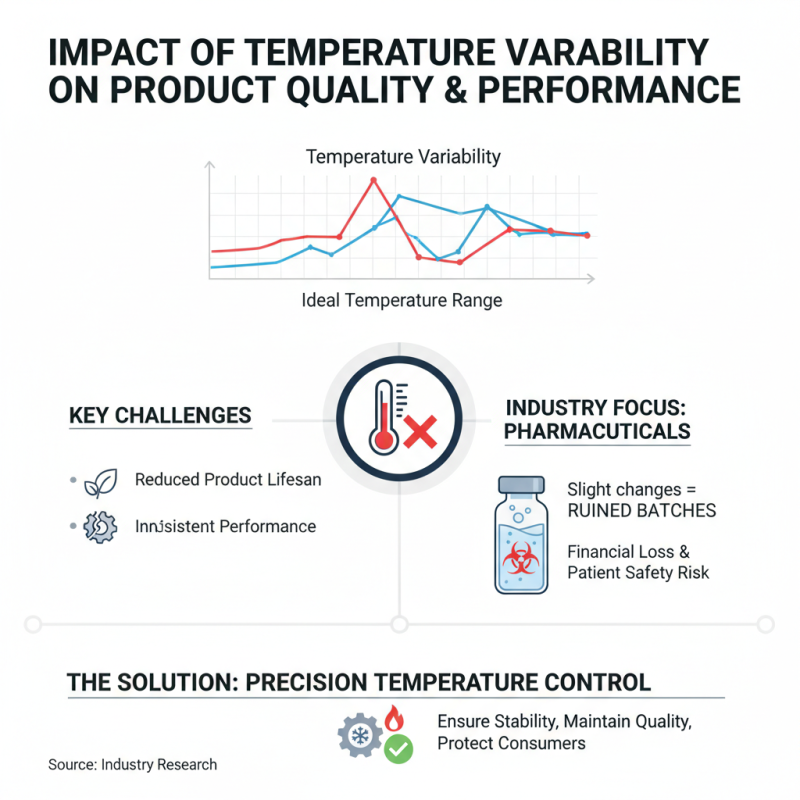
Temperature control is vital in many industries. Variability in temperature can severely affect product quality and performance. For instance, in pharmaceuticals, even a slight change in temperature can ruin a batch of medication. This situation can lead to significant financial losses and jeopardize patient safety.
Many processes demand precise temperature adherence. For example, baking requires consistent heat to produce quality bread. If the temperature fluctuates, the bread might end up dense or undercooked. Engineers must often reconsider how they manage environmental factors to maintain standards. Perfection in temperature control is not just an ideal; it's a necessity.
Moreover, temperature inconsistencies can lead to unexpected product failures. Electronics, for instance, may short-circuit or fail to operate properly if exposed to fluctuating temperatures. This can result in returns or recalls. It’s essential to reflect on these impacts when designing systems for temperature management. Prioritizing precision can avoid critical mistakes and uphold quality.