Why Are Heat Sinks Essential for Efficient Electronics Cooling?
Heat sinks play a crucial role in electronic device performance. They effectively draw heat away from critical components. As devices become smaller and more powerful, efficient cooling is paramount. Overheating can cause damage, reducing lifespan and reliability.
The design of a heat sink is not trivial. Materials, size, and shape significantly affect cooling efficiency. Engineers must consider these factors carefully. Poor choices can lead to overheating issues. This can impede performance and increase energy consumption.
In the quest for better electronics, the importance of heat sinks cannot be overlooked. They are essential for maintaining optimal operating temperatures. Innovations in materials and designs continue to emerge. However, challenges in heat management remain. Reflecting on these issues is vital for future advancements.
The Role of Heat Sinks in Electronic Device Performance
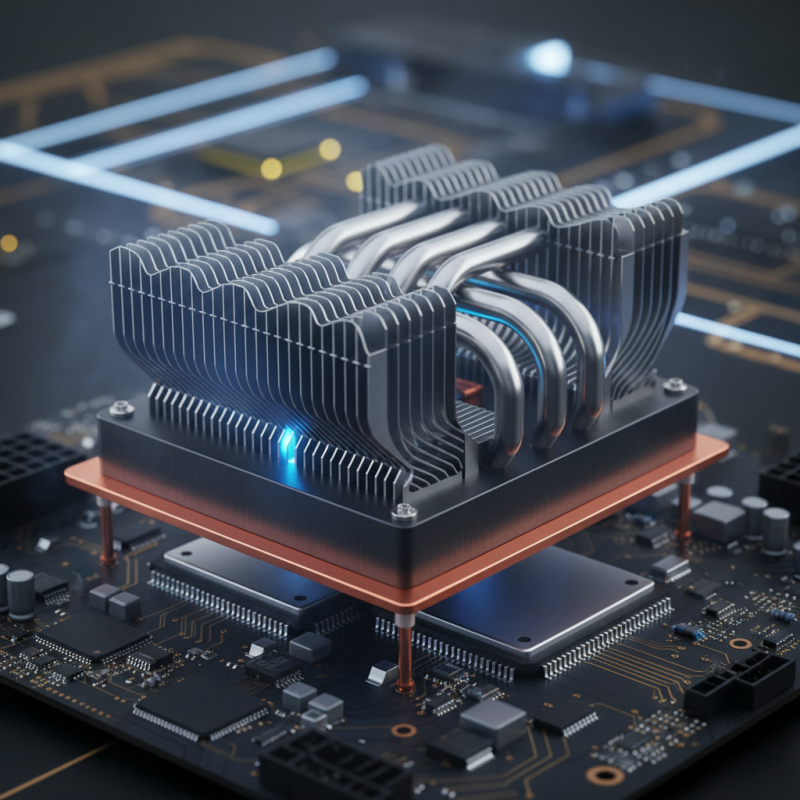
Heat sinks are vital in electronics, impacting device performance significantly. They dissipate heat generated by electronic components. Without sufficient cooling, devices can overheat, leading to reduced efficiency and potential failures. This is especially crucial in compact designs where space is limited.
The effectiveness of a heat sink depends on its design and materials. A well-designed heat sink has a large surface area, maximizing airflow. Materials with high thermal conductivity, like aluminum or copper, transfer heat away efficiently. However, many designs overlook details, such as airflow direction and ambient temperature effects. These factors can hinder cooling performance.
Incorporating heat sinks can enhance device longevity. By preventing overheating, components function at optimal levels. Yet, selecting the right heat sink can be challenging. Factors like the specific application, size constraints, and power output play roles. This complexity can lead to mistakes in the selection process, underscoring the need for careful consideration.
Understanding the Physics of Heat Dissipation in Electronics
Heat dissipation is a vital topic in the electronics industry. As devices become smaller, heat generation increases. Effective cooling mechanisms are crucial for maintaining performance and durability. Heat sinks are pivotal in this process. They enhance the surface area, allowing heat to escape rapidly.
When a component generates heat, the heat must be transferred to the surrounding air. A heat sink facilitates this transfer. The physics of conduction, convection, and radiation plays a crucial role here. Heat sinks absorb heat through conduction. The increased surface area then allows for enhanced convection. This speed-up in heat removal prevents overheating.
Tips: Ensure your heatsink is properly sized for your application. Small sinks might lead to overheating. Regularly check connections and make sure thermal paste is applied correctly. Poor thermal conductivity can lead to persistent heating issues. Understanding these details is essential for reliable electronics operation. Regular maintenance can help keep components running smoothly.
Heat Sink Efficiency in Electronics
This bar chart illustrates the thermal conductivity of various materials commonly used in heat sinks. Higher thermal conductivity values indicate greater efficiency in heat dissipation, which is crucial for the effective cooling of electronic components.
Types of Heat Sinks and Their Applications in Cooling Solutions
When it comes to electronics cooling, heat sinks play a critical role. They help dissipate heat generated by electronic components, ensuring optimal performance. Various types of heat sinks exist, each with specific applications. For instance, aluminum heat sinks are common due to their lightweight and cost-effective properties. They are frequently used in consumer electronics, where space is at a premium.
Copper heat sinks offer superior thermal conductivity. These are often used in high-performance computing applications. A report from TechResearch indicates that systems using copper heat sinks can operate 10-15% more efficiently. However, copper's higher cost may limit its adoption in budget-sensitive projects. This contrast highlights the need for careful material selection based on application requirements.
Active heat sinks, equipped with fans or pumps, provide enhanced cooling in demanding environments. According to a recent study, active heat sinks can lower temperatures by up to 30% compared to passive designs. Yet, they introduce concerns such as noise and increased power consumption. Balancing performance and energy efficiency remains an ongoing challenge in design considerations. Understanding the trade-offs associated with each type of heat sink is crucial for engineers striving for efficient thermal management.
Why Are Heat Sinks Essential for Efficient Electronics Cooling?
| Heat Sink Type |
Material |
Application |
Efficiency Rating |
| Aluminum Heat Sink |
Aluminum |
CPU Cooler |
Excellent |
| Copper Heat Sink |
Copper |
GPU Cooler |
Superior |
| Passive Heat Sink |
Aluminum |
Embedded Systems |
Good |
| Active Heat Sink |
Aluminum & Fan |
High-Performance CPUs |
Excellent |
| Heat Spreader |
Copper |
LED Lighting |
Very Good |
Best Practices for Designing Effective Heat Sink Systems
Effective heat sink design is crucial for maintaining optimal performance in electronic devices. A well-designed heat sink maximizes heat dissipation, ensuring that components operate within safe temperature ranges. Consider using materials with high thermal conductivity, such as copper or aluminum. These materials transfer heat away quickly, preventing overheating. Surface area also plays a significant role. Fins and extended surfaces can enhance airflow, increasing heat exchange rates.
Another important factor is the placement of the heat sink. Ensure it is positioned for maximum exposure to circulating air. Ventilation in the enclosure is also vital. Failing to account for airflow can lead to hot spots, undermining the heat sink’s effectiveness. Monitoring temperatures in real time can provide valuable feedback. Adjustments may be needed based on changing operational conditions.
Designers should also consider the impact of dust and debris. Over time, these can accumulate on a heat sink, reducing efficiency. Regular maintenance checks can prevent this issue. Remember, the most efficient heat sink is one that is regularly evaluated and improved. Testing different designs can lead to better results and enhanced reliability in electronics cooling.
Impact of Heat Management on the Longevity of Electronic Components
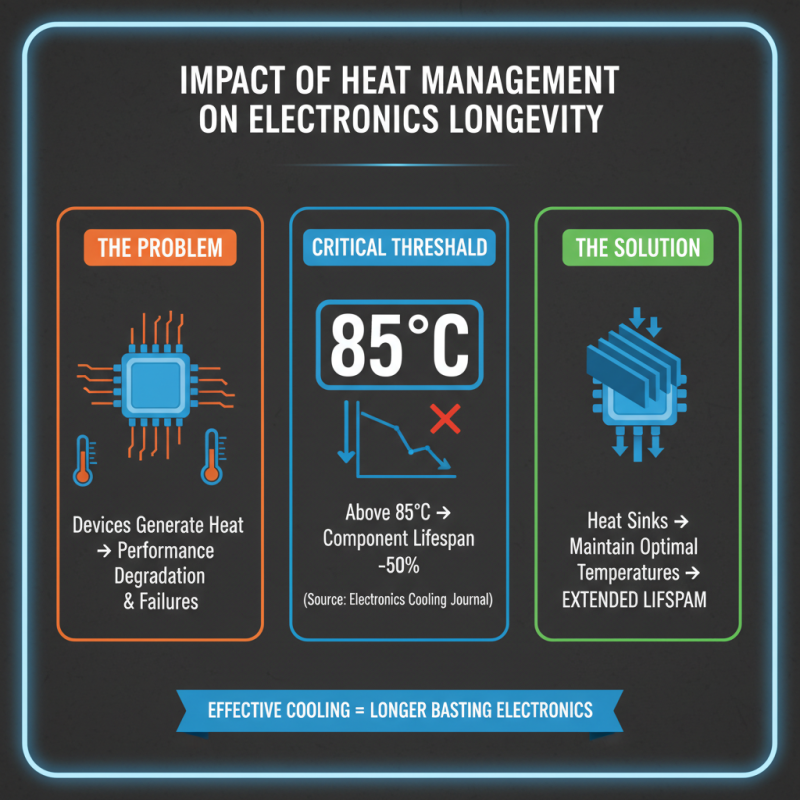
Effective heat management is crucial for the longevity of electronic components. Devices generate heat during operation. This heat can lead to performance degradation and failures. According to a study by the Electronics Cooling Journal, component temperatures exceeding 85°C can reduce lifespan by 50%. Such statistics emphasize the importance of heat sinks in maintaining optimal temperatures.
Heat sinks dissipate excess heat effectively. They increase surface area and enhance airflow. Without proper cooling, components like CPUs and GPUs can overheat. This overheating can cause irreversible damage. In fact, research shows that improving thermal management can extend component life by up to 70%. However, many designs overlook adequate heat sink integration. As technology progresses, this oversight can lead to costly failures.
The relationship between heat management and electronics reliability cannot be overstated. Components operate best within recommended temperature ranges. Heat sinks play a vital role in achieving this. Yet, designers often prioritize aesthetics over function. This may compromise cooling efficiency. It’s essential to make informed decisions about thermal solutions to ensure durability and performance. Effective heat management should never be an afterthought.