What is an Integrated Heat Sink and How Does It Work?
Integrated Heat Sinks have become vital in managing heat in electronic devices. According to Dr. Emily Chen, a renowned thermal management expert, "The efficiency of an Integrated Heat Sink can determine the lifespan of electronic components." This statement underscores the importance of understanding how these components function.
An Integrated Heat Sink is designed to dissipate heat directly from the source. This integration allows for a compact design, which is crucial in today's space-constrained electronics. Many devices, from smartphones to computers, rely heavily on effective thermal management. The intricate design makes the heat sink not just a passive component but an active participant in maintaining device performance.
However, discussions around Integrated Heat Sinks often reveal gaps in knowledge. Many engineers still overlook the impact of materials and design on thermal efficiency. The complexity of optimizing these heat sinks needs more exploration. Diving deeper into their mechanics can enhance reliability and overall performance in various applications. As technology progresses, continuous learning about Integrated Heat Sinks remains essential.
What is an Integrated Heat Sink: Definition and Components
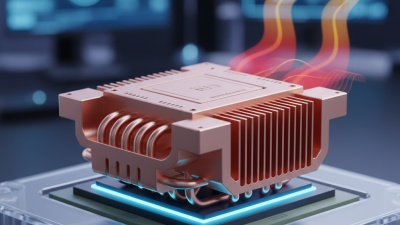
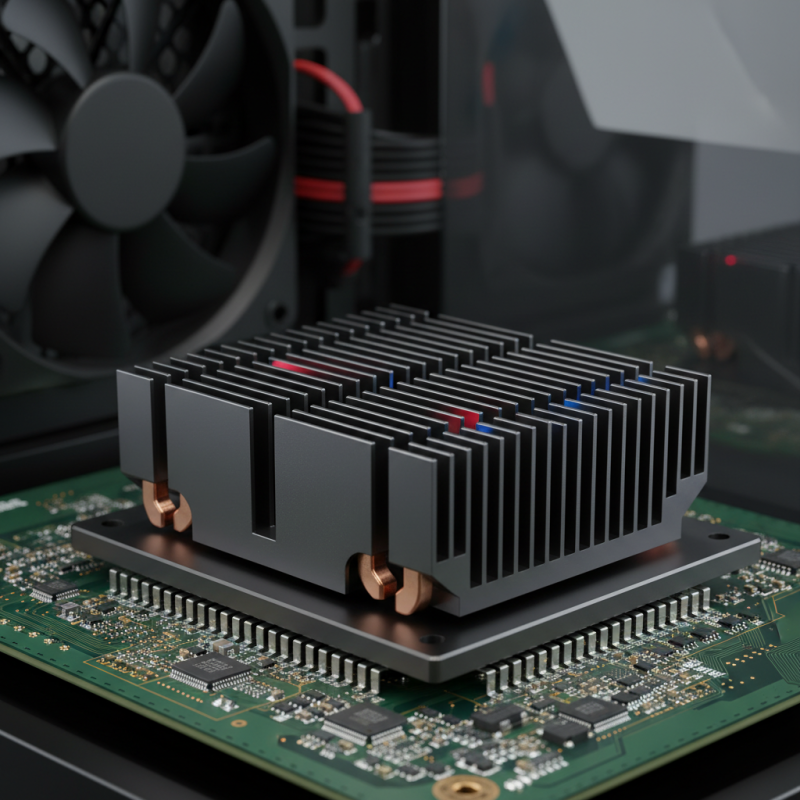
An integrated heat sink is a crucial component in thermal management systems. It enhances cooling by dissipating heat from electronic components. This device combines heat sink materials with other electronic parts in a compact design. It offers improved performance and reliability.
The main components of an integrated heat sink include the base, fins, and thermal interface material. The base provides contact with the heat source. Fins increase surface area, allowing for better heat dissipation. The thermal interface material ensures efficient heat transfer. All components must be designed for optimal thermal conductivity.
Tips: Always consider the mounting location. A well-placed heat sink can significantly improve cooling efficiency. Regular maintenance is necessary too. Dust can accumulate and hinder performance. Check your heat sinks periodically to ensure they function correctly. Remember, a small oversight might lead to overheating issues.
The Role of Thermal Conductivity in Integrated Heat Sink Performance
Thermal conductivity is crucial for the performance of integrated heat sinks. It determines how effectively heat moves away from critical components. A higher thermal conductivity means better heat dissipation, which is essential in maintaining optimal operating conditions. Materials like copper and aluminum are often used due to their excellent conductivity.
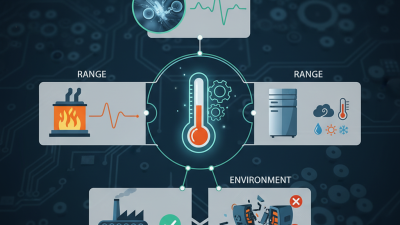
An integrated heat sink must effectively manage heat to prevent failure. Designs may vary, but the basic goal remains the same. Heat needs to be transferred rapidly to ensure reliability. However, not all materials perform identically. Environmental factors can affect their efficiency over time. This variability can lead to unexpected overheating or performance drops.
Considering real-world applications, the integration of heat sinks into devices is not always flawless. Poor designs can hinder thermal management. Users might find themselves faced with overheating, affecting device longevity. It's essential to continually evaluate both materials used and overall design to enhance heat sink effectiveness. Constant improvement is key to ensuring optimal thermal performance.
Performance of Different Integrated Heat Sinks Based on Thermal Conductivity
This chart illustrates the thermal conductivity values of various integrated heat sink materials and their corresponding temperature drop efficiency, highlighting the relationship between material properties and cooling performance.
Design Considerations for Effective Integrated Heat Sink Solutions
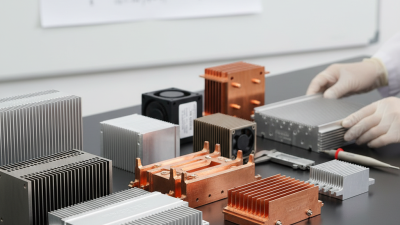
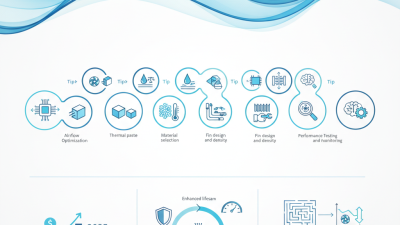
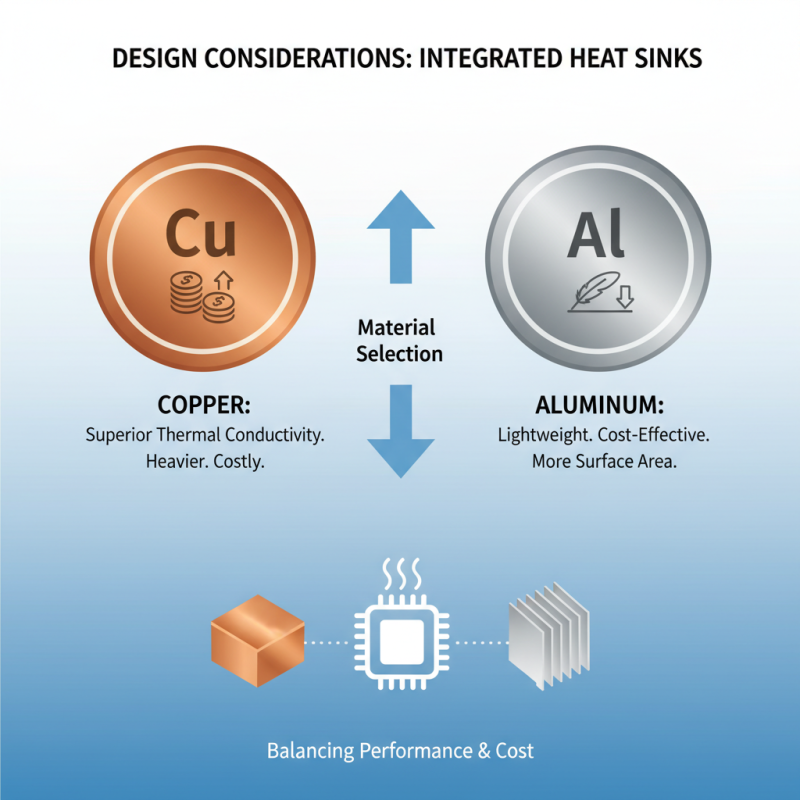
When designing integrated heat sinks, several key considerations emerge. Material selection plays a critical role. Aluminum and copper are popular choices due to their high thermal conductivity. Each material has its pros and cons. While copper has superior thermal properties, it is also heavier and more expensive. Aluminum, on the other hand, is lightweight and cost-effective but may require more surface area for efficient cooling.
Geometry is another aspect that deserves careful attention. The surface area must enhance heat dissipation without adding excessive bulk. Fins or ridges can be designed into the heat sink to maximize airflow. However, this complexity can sometimes lead to manufacturing challenges. It's important to strike a balance between efficiency and manufacturability.
Additionally, thermal interface materials (TIMs) should not be overlooked. This layer improves the thermal connection between the heat source and the sink. The wrong choice of TIM may lead to poor performance. If it is too thick, it can impede heat transfer. If it is too thin, it may not fill the gaps properly. All these factors contribute to the effectiveness of integrated heat sink solutions, making it crucial to address them thoughtfully.
Applications of Integrated Heat Sinks in Electronics and Power Management
Integrated heat sinks play a vital role in electronics and power management. These components efficiently dissipate heat generated by electronic devices, helping to maintain optimal performance. In applications like computer CPUs, graphics processing units, and power amplifiers, heat sinks are essential for preventing overheating.
One of the main advantages of integrated heat sinks is their space-saving design. They can be fabricated as part of a component, allowing for a more compact overall layout. This is especially beneficial in small devices like smartphones and tablets, where space is at a premium.
Tip: When designing integrated heat sinks, consider the material. Metals like aluminum and copper are popular for their excellent thermal conductivity.
In power management systems, effective heat dissipation is crucial. Overheating can lead to component failure or reduced efficiency. Integrated heat sinks help ensure reliability and longevity in power circuits, making them a preferred choice among engineers.
Tip: Regularly monitor the temperature of your devices. If excess heat accumulates, it may signify inadequate cooling or a need for an enhanced heat sink design.
Comparative Analysis of Integrated Heat Sinks vs. Traditional Heat Sinks
Integrated heat sinks are becoming increasingly popular in the electronics industry. They combine functionality and efficiency, addressing heat dissipation challenges. In contrast, traditional heat sinks typically offer a bulkier design, often requiring more space. This comparative analysis sheds light on their differences.
Research shows that integrated heat sinks can improve thermal performance by up to 30%. Their design allows for better airflow and reduced thermal resistance. This contrasts with traditional models, which may struggle with heat buildup in compact environments. They can sometimes lead to overheating, especially in devices with high-performance requirements. The compactness of integrated options provides greater flexibility for advanced electronic designs.
Tip: Ensure thermal management is considered early in the design stage. This can prevent potential overheating issues.
Proper thermal analysis tools should be utilized for optimal performance.
When evaluating heat management solutions, reliability is key. An inefficient heat sink can result in component failure. Integrated designs tend to have fewer points of failure, which considerably enhances overall device longevity. Always conduct real-world testing to validate performance claims.