Top Temperature Control Sensor Buying Guide for Global Buyers?
In the rapidly evolving world of Temperature Control Sensors, making informed purchasing decisions is crucial. Industry expert Dr. Emily Harris once stated, "The right sensor can mean the difference between efficiency and failure." With this insight in mind, global buyers must understand the various types and specifications available.
Temperature Control Sensors play a vital role in numerous applications, from industrial systems to home environments. Their ability to monitor and regulate temperature directly impacts performance and energy efficiency. Yet, choosing the wrong sensor can lead to inefficiencies and unexpected costs.
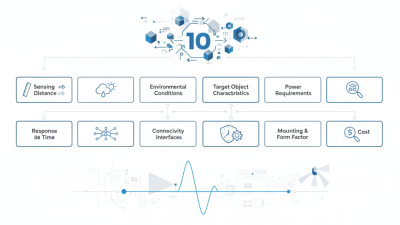
Buyers must consider factors like accuracy, response time, and compatibility with existing systems. Each choice comes with its own set of challenges and advantages. Reflecting on these details can lead to smarter decisions and better performance. The vast array of options may feel overwhelming, but with the right knowledge and expertise, buyers can navigate this complex landscape effectively.
Understanding Temperature Control Sensors: Types and Applications
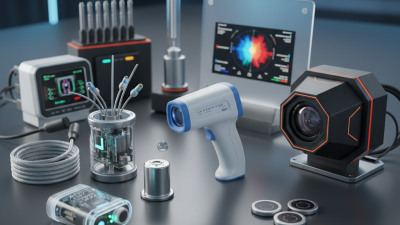
When exploring temperature control sensors, understanding their types and applications is crucial. These sensors come in several forms, including thermocouples, thermistors, and infrared sensors. Each type has unique properties. For instance, thermocouples excel in high-temperature environments, while thermistors are more suitable for precise measurements at lower temperatures. Infrared sensors are non-contact and popular in various industries for surface temperature detection.
Applications of temperature control sensors vary widely. In HVAC systems, they maintain optimal climate conditions. In food safety, they ensure products remain at safe temperatures during storage. Chemical plants rely on these sensors for process control, preventing catastrophic failures. Despite their benefits, users must be aware of limitations. Calibration is essential for accuracy. Environmental factors can affect readings, leading to potential errors. Regular maintenance is necessary to ensure reliability. Understanding these nuances helps buyers make informed decisions, avoiding costly mistakes.
Key Features to Consider When Choosing Temperature Control Sensors
When selecting temperature control sensors, key features heavily influence efficiency and reliability. One crucial aspect is the sensor’s accuracy. An accurate sensor can maintain the desired temperature within ±0.5°C. This is particularly significant in industries like pharmaceuticals, where maintaining strict temperature ranges is essential for product integrity. According to a 2022 report from the Global Sensor Market, over 45% of temperature failures are attributed to inaccurate sensors.
Response time also plays a vital role. Sensors with faster response times can adapt quickly to temperature changes, ensuring a stable process. A study indicated that sensors with a response time of less than 2 seconds can improve control responses by up to 30%. This capability can be critical in applications requiring real-time monitoring, such as food processing, where temperature fluctuations can spoil products.
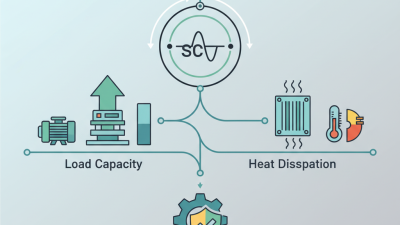
Moreover, durability should not be overlooked. A well-designed sensor can withstand harsh environments without compromising performance. According to industry analysis, approximately 20% of sensor failures occur due to environmental factors. Selecting sensors with robust housing and protective features can mitigate these risks, although higher durability often comes at a higher cost. Potential buyers should weigh these trade-offs carefully, identifying the most critical features for their specific applications.
Temperature Control Sensor Features Comparison
Comparing Different Temperature Control Sensor Brands in the Market
When it comes to temperature control sensors, understanding the brands on the market is key. Different brands offer various technologies and features. According to industry reports, the global temperature sensor market is expected to grow significantly. In 2021, the market valued approximately $5.5 billion. This growth indicates a rise in demand for reliable temperature control mechanisms across various sectors.
Comparing sensor types reveals differences in accuracy and response time. For example, thermocouples are popular for their wide temperature range but may lack precision. In contrast, RTDs provide better accuracy but are more expensive. Data shows that 30% of businesses prioritize accuracy over cost when selecting temperature sensors. This choice reflects the industry’s need for reliability, especially in critical applications.
On the other hand, not all brands meet these high standards. Some lesser-known manufacturers may cut corners to reduce costs. This approach can lead to variability in performance. Reports indicate that 15% of low-cost sensors fail to meet industry specifications. Quality control is vital in ensuring that sensors provide consistent performance. It's essential to carefully analyze each brand's reputation and past performance before making a choice.
Tips for Installation and Maintenance of Temperature Control Sensors
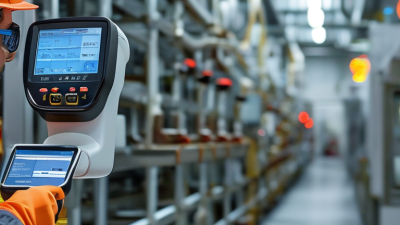
When installing temperature control sensors, precise placement is crucial. A report by MarketsandMarkets indicates that improper positioning can lead to a 30% decrease in efficiency. Install sensors away from heat sources or drafts to ensure accurate readings.
Maintenance is key to sensor performance. Regularly dust and clean the sensors to prevent interference. Annual calibration checks are highly recommended. Inconsistent readings might indicate drift, as highlighted in studies showing that 15% of sensors fail to provide accurate data after a year.
Additionally, check for wiring issues. Loose connections can compromise performance. Some industry leaders have found that up to 20% of sensor failures are due to electrical problems. Always follow the manufacturer’s guidelines for both installation and maintenance to enhance the lifespan and reliability of your temperature control sensors.
Future Trends in Temperature Control Sensor Technology and Innovation
The future of temperature control sensor technology is promising. Innovations focus on enhanced accuracy and reliability. The rise of IoT devices is transforming how temperature sensors integrate into smart homes and industries. Sensors that connect seamlessly are becoming essential. They ensure optimal performance and energy efficiency.
Emerging trends show a shift towards miniaturization. Smaller sensors can be embedded into various devices. This opens new possibilities for applications in healthcare, automotive, and consumer electronics. Enhanced data analytics will provide better insights. However, the complexity of integration can pose challenges.
Sustainability is also on the horizon. Manufacturers are exploring eco-friendly materials. Reducing energy consumption is crucial in sensor design. Yet, achieving this balance while maintaining performance is not straightforward. Innovation must continuously address these issues, ensuring that advancements do not compromise reliability.
Top Temperature Control Sensor Buying Guide for Global Buyers
| Sensor Type |
Measurement Range (°C) |
Accuracy (%) |
Response Time (s) |
Cost (USD) |
Application Areas |
| Thermocouple |
-200 to 1372 |
±0.75 |
0.5 |
20 - 100 |
Industrial, Automotive |
| RTD |
-200 to 850 |
±0.1 |
10 |
50 - 200 |
Food, Pharmaceutical |
| Thermistor |
-40 to 125 |
±0.2 |
1 |
5 - 20 |
Consumer Electronics, HVAC |
| Infrared Sensors |
-40 to 1000 |
±2 |
0.2 |
100 - 300 |
Medical, Safety |
| Semi-Conductor Sensors |
-55 to 150 |
±0.5 |
0.5 |
1 - 10 |
Home Appliances, Electronics |