Why is a Temperature Controller Essential for Efficient Thermal Management?
Efficient thermal management is crucial in various industries, including manufacturing and data centers. According to recent reports, improper temperature regulation can increase energy consumption by up to 30%. This inefficiency often stems from inadequate thermal control systems. A Temperature Controller is vital for optimizing these processes.
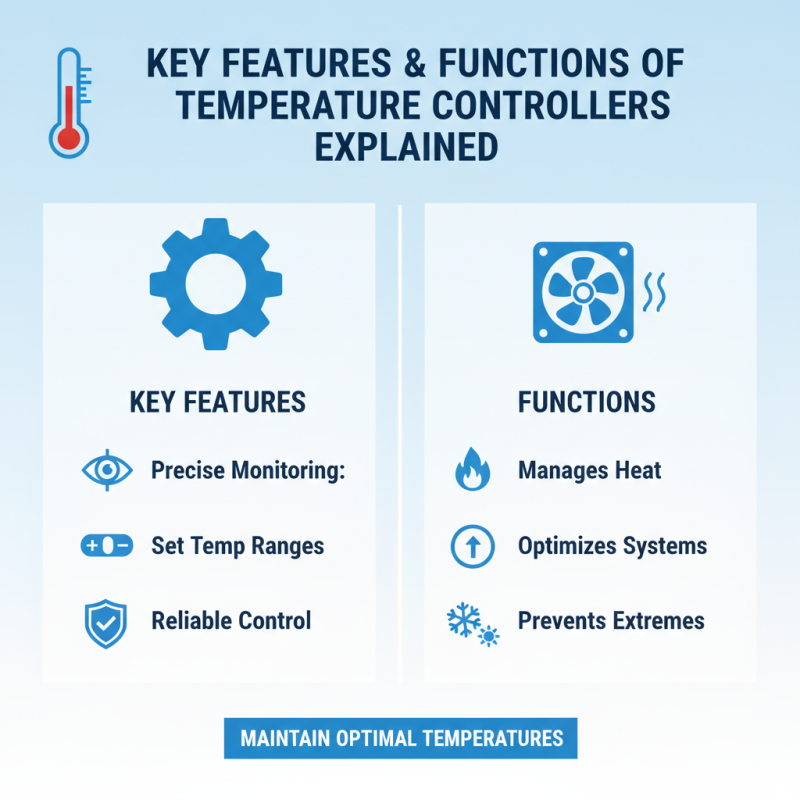
Temperature Controllers help maintain consistent heat levels, preventing overheating and equipment damage. In the semiconductor industry, for instance, even a slight temperature deviation can lead to product failure. Studies show that 70% of equipment failures can be traced back to poor temperature control. Organizations that invest in reliable controllers see a marked improvement in product quality and operational reliability.
Despite the clear advantages, many businesses overlook the importance of precise thermal management. Some may view Temperature Controllers as an unnecessary expense. This misconception can lead to higher operational costs and reduced efficiency. Thus, emphasizing the role of Temperature Controllers is essential for ensuring sustainable growth and success in various sectors.
The Role of Temperature Controllers in Thermal Management Systems
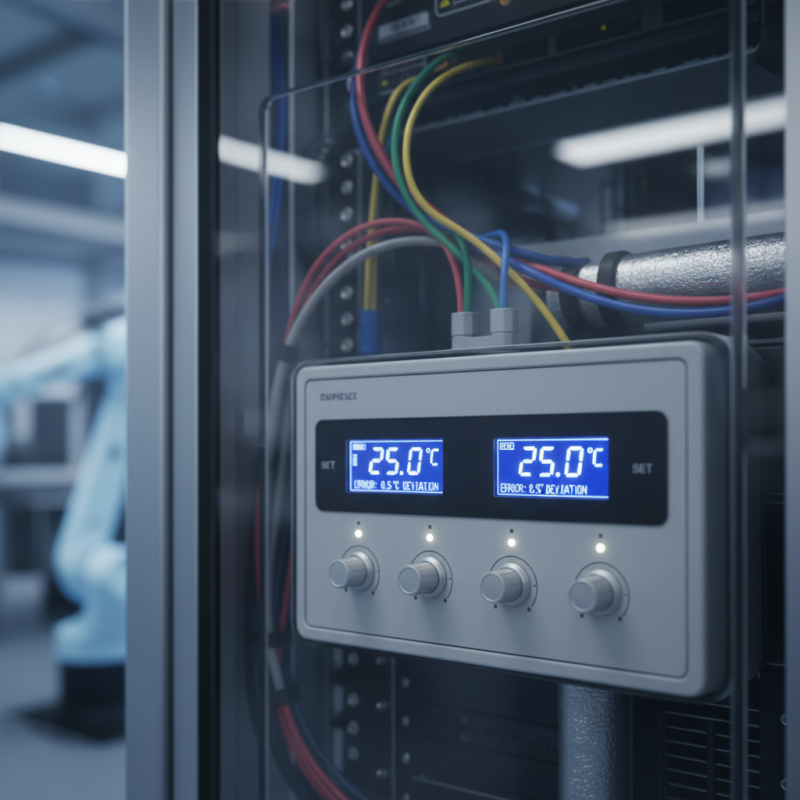
Temperature controllers play a vital role in thermal management systems by ensuring that the temperature stays within desired limits. These devices monitor temperature changes and adjust heating or cooling mechanisms automatically. They help prevent overheating, which can damage equipment or compromise processes. For example, in industrial settings, precision is key. A slight temperature fluctuation can lead to material defects.
Effective thermal management enhances efficiency. Temperature controllers optimize energy use, reducing costs in the long run. They can improve product quality by maintaining consistent temperatures in manufacturing processes. However, it’s essential to regularly calibrate these systems. An un-calibrated controller may provide inaccurate readings, leading to unexpected temperature spikes or drops. This could ultimately result in product failures.
Choosing the right temperature controller is crucial. Consider the specific requirements of your application. Not every controller suits every environment. Some may excel in certain industries while falling short in others. Regular assessments and fine-tuning of the thermal management system can enhance its reliability. A well-functioning temperature controller is invaluable in maintaining optimal operational conditions.
Understanding the Basics of Thermal Management in Various Applications
Thermal management is crucial in various applications, from industrial processes to consumer electronics. Efficient heat control enhances performance and extends device lifespan. It is not just about cooling; it involves maintaining optimal temperatures for safety and efficiency. Proper thermal regulation prevents overheating, which can lead to equipment failures and safety hazards.
In manufacturing, the precision of thermal management affects product quality. A temperature controller can adjust heating and cooling cycles, ensuring that materials are processed correctly. In electronics, overheating can degrade components quickly. Effective thermal solutions adapt to changing conditions, yet many systems fail to implement sufficient controls. This highlights the need for continuous monitoring and improvement in thermal practices.
In automotive applications, the stakes are high. Vehicles generate significant heat, impacting engine performance and safety. Advanced thermal management systems should comfort passengers while ensuring optimal engine temperatures. However, many designs are still based on outdated methods. There’s a clear opportunity for innovation. An ongoing evaluation of existing systems is essential for future advancements in thermal management.
Temperature Control and Its Impact on Energy Efficiency
This bar chart illustrates the energy efficiency of temperature control systems across various application areas including Industrial, Commercial, Residential, Agricultural, and Laboratory. Effective thermal management is crucial for optimizing energy usage and ensuring sustainable operations.
Benefits of Using Temperature Controllers for Energy Efficiency
Temperature controllers play a vital role in thermal management. They help maintain optimal temperatures in various systems, enhancing energy efficiency. With precise control, these devices prevent overheating and undercooling. This translates into reduced energy consumption and lower operational costs. In industries, proper thermal management can increase equipment lifespan.
Energy efficiency is crucial for sustainability. A temperature controller minimizes energy waste by adjusting the heating or cooling process in real-time. This prevents unnecessary energy usage and costs.
Consider a factory that operates various machinery. If a single machine overheats, it wastes energy and can lead to malfunctions. A temperature controller can prevent such scenarios.
Tips for choosing the right temperature controller:
- Look for models with real-time feedback capabilities. This will ensure that adjustments are made quickly.
- Consider units that come with data logging features. These can help you analyze temperature trends over time.
- Finally, consult with experts to ensure you choose a device that suits your specific needs. Effective thermal management requires attention to detail and frequent evaluations.
Factors to Consider When Selecting a Temperature Controller for Your Needs
Choosing the right temperature controller can significantly impact thermal management. It's essential to consider several key factors. The first factor is the application type. Different processes require different temperature ranges. Ensure the controller can handle the specific range necessary for your operation.
Another important aspect is the controller's accuracy and responsiveness. A controller that reacts quickly to temperature changes can prevent overheating or freezing. Look for specifications that detail the controller’s precision. The ease of integration with existing systems is also crucial. If the controller does not fit seamlessly, it could lead to complications.
User interface matters as well. A clear, intuitive interface allows for easier monitoring and adjustments. This aspect can improve overall efficiency. Some controllers offer advanced features but can be complicated to use. Reflect on what level of complexity you truly need in your setup. Balancing features with usability can lead to better operational outcomes.
Why is a Temperature Controller Essential for Efficient Thermal Management? - Factors to Consider When Selecting a Temperature Controller for Your Needs
| Feature |
Importance |
Considerations |
| Temperature Range |
Ensures the controller can operate within the desired thermal limits. |
Check the specific range required by your application. |
| Control Accuracy |
Critical for applications requiring precise temperatures. |
Look for controllers with low deviation from set point. |
| Response Time |
Faster response ensures quick adjustments to maintain temperature. |
Evaluate how quickly the system reacts to changes. |
| User Interface |
A clear interface simplifies setup and adjustments. |
Consider options for digital vs. analog interfaces. |
| Monitoring Features |
Allows for tracking and logging temperature data. |
Look for controllers with data logging capabilities. |
| Compatibility |
Ensures the controller can work with existing systems. |
Check communication protocols and connectivity options. |
| Energy Efficiency |
Helps reduce operating costs and environmental impact. |
Consider controllers designed for energy-saving operation. |