Why Choose a Digital Temperature Controller?
Why Choose a Digital Temperature Controller?
Maintaining stable temperature is essential in ovens, laboratories, food equipment, and manufacturing lines. A Digital Temperature Controller provides clear readings and controlled adjustments during changing operating conditions. Instead of estimating heat from a dial, operators can monitor the displayed value directly. That matters.
In practical use, accurate control begins with the sensor, not the screen. A poorly placed thermocouple can report a misleading temperature, even with an advanced controller. Professional installation requires suitable sensor selection, secure wiring, correct parameter settings, and regular calibration. Small errors grow. Experienced technicians also compare controller readings with independent instruments before trusting a new setup. This simple check can reveal wiring faults, sensor drift, or an unsuitable control range.
Many modern units support PID control, alarms, programmable settings, and relay or solid-state outputs. These features can reduce temperature swings and protect sensitive materials. Data logging may also help teams identify recurring problems during maintenance reviews. However, digital control is not automatically precise. It is not flawless. Performance depends on response time, heater capacity, airflow, insulation, and operator training. Manufacturers’ specifications should be reviewed carefully, including accuracy, input type, output rating, and environmental limits.
Choosing the right Digital Temperature Controller can improve consistency, safety, and process visibility. The best choice is not always the most expensive model. It should match the application, equipment, and measurement requirements. A thoughtful evaluation, supported by calibration records and verified installation practices, creates more reliable results over time.
What Is a Digital Temperature Controller?
Why Choose a Digital Temperature Controller?
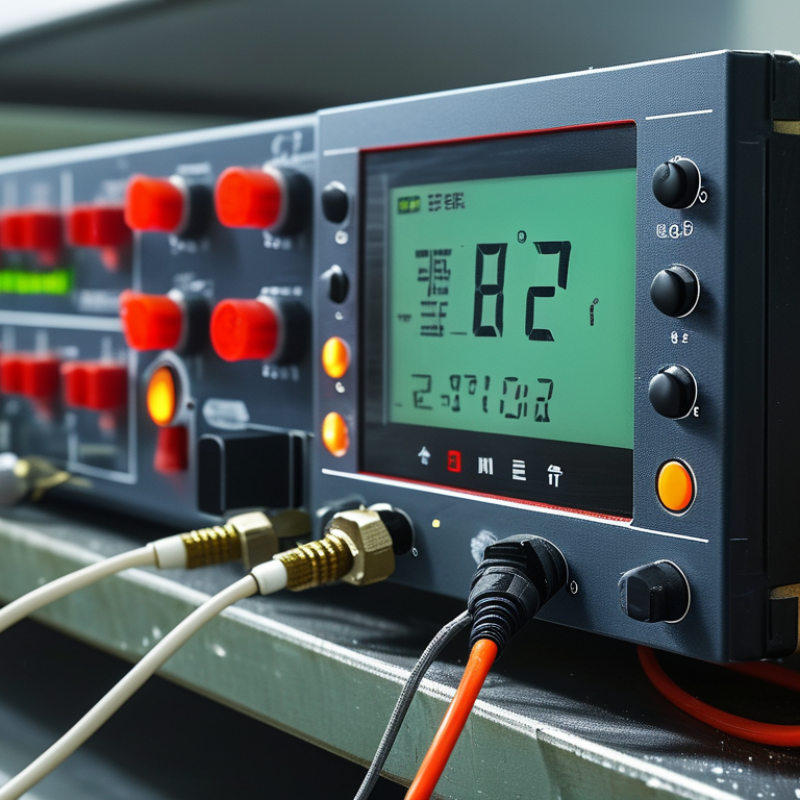
A digital temperature controller measures temperature through a sensor, compares it with a chosen setpoint, and adjusts equipment automatically. Its small processor replaces guesswork with repeatable control. Common inputs include thermocouples and resistance temperature detectors. Outputs may operate relays, solid-state switches, or proportional heating devices.
This matters where a few degrees affect safety, quality, or energy use. The U.S. Energy Information Administration’s 2020 Residential Energy Consumption Survey found that space heating and air conditioning used about half of household energy. Better control can reduce unnecessary cycling, although savings depend on insulation, equipment condition, and user settings. The International Energy Agency also reports that buildings account for roughly 30% of global energy demand. Digital control cannot fix every inefficient system. That point is easy to overlook.
Tips: Match the controller with the sensor type and temperature range. Check calibration during scheduled maintenance. Place the sensor near the real process area, not beside a heat source. Record temperature trends before changing settings. A stable display is useful, but stable results matter more.
In practical use, a controller can hold an oven near 180°C, maintain a tank within a narrow band, or protect a refrigeration cabinet from excessive warming. PID control may improve stability, yet poor tuning can create overshoot. Start with measured performance. Review the data, then adjust carefully.
Which Features Improve Temperature Monitoring and Control?
Why Choose a Digital Temperature Controller?
Which Features Improve Temperature Monitoring and Control?
A digital temperature controller turns changing heat into readable, manageable information. Its bright display shows the current value without guesswork. In a workshop, that matters when a process runs beside noisy equipment. A clear alarm can signal overheating before materials suffer damage. Some controllers also detect broken sensors or unstable signals.
Accurate input support is essential. Many units accept RTD or thermocouple sensors, but compatibility must be checked carefully.
A mismatched sensor can create confident-looking errors. That mistake is easy to miss. PID control can reduce temperature swings by adjusting output gradually. Simple on-off control may work for basic heating, yet it can cause noticeable overshooting.
Data logging adds another layer of control. Recorded temperatures help operators identify patterns across shifts, batches, or changing room conditions. Remote monitoring can provide useful alerts, but it should not replace local checks. Connectivity may fail.
Calibration functions also deserve attention, especially when temperature affects product quality or equipment safety. Compare readings with a trusted reference thermometer at planned intervals.
I still verify the display manually.
Good documentation supports reliable decisions. It should explain alarm settings, sensor wiring, response times, and calibration limits. A controller with many settings is not automatically better. Operators need training, and installation quality matters just as much. Even a precise device can perform poorly when the sensor sits near a heat source or receives weak electrical connections.
What Are the Main Benefits of Digital Temperature Control?
A digital temperature controller provides tighter, more visible control than a basic dial. It reads sensor data continuously and adjusts heating or cooling within a chosen range. In a workshop, this can prevent a tank from drifting several degrees during long operation. The display also shows current conditions immediately. No guessing is needed.
The main benefit is consistency. Stable temperatures can improve product quality, protect sensitive materials, and reduce unnecessary energy use. A controller can also trigger alarms when temperatures exceed safe limits. This gives operators time to inspect airflow, wiring, or equipment before a small issue becomes expensive. I have found that clear readings make routine checks faster, especially during overnight processes. Less manual adjustment.
Digital control can improve repeatability, but it is not automatic perfection. A poorly placed sensor may read the air instead of the actual material. Dust, vibration, and weak calibration can also create misleading results. Regular testing with a trusted reference thermometer remains important. Some systems offer recorded data, which helps compare batches and identify unusual patterns. That evidence supports better maintenance decisions. Still, the data needs human judgment. A stable display does not always mean stable conditions. Niche applications may require a specialist review before installation.
Why Choose a Digital Temperature Controller?
Typical temperature-control capabilities shown using commonly specified industrial values.
Digital temperature controllers typically provide finer setpoint resolution, programmable control modes, and built-in alarm functions. A 0.1°C display resolution allows more precise adjustments than a 1°C analog scale, while PID control helps reduce temperature fluctuation and improve repeatability. Actual performance depends on the sensor, heating system, installation, and controller configuration.
How Should You Choose the Right Digital Temperature Controller?
Choosing the right digital temperature controller starts with understanding the process, not the product label. Start with process requirements. Measure the normal temperature range, acceptable variation, heating or cooling load, and sensor type. A controller for a small laboratory chamber may need different features from one used near steam, dust, or vibration.
Accuracy is not the only issue. Look for sensor compatibility, stable readings, and clear alarm settings. Response time matters. Fast control can help an oven, while sensitive materials may need gentler adjustments. Faster is not always better. In practical testing, observe how the controller reacts after opening a door or changing the load. A specification sheet cannot show every real operating condition. I once treated a narrow temperature range as proof of better performance. That shortcut was wrong.
Installation conditions deserve equal attention. Check panel space, wiring distance, power supply stability, and ambient temperature around the controller. Review calibration records and choose equipment with traceable testing procedures when measurement accuracy affects product quality. Do not ignore maintenance. A controller should allow simple sensor replacement, alarm checks, and periodic verification. Keep records of unusual readings, even when they appear harmless. Those notes often reveal drifting sensors or poor airflow. Leave room for human error, because operators may set limits incorrectly during busy shifts. Clear displays and protected settings can reduce that risk, although they cannot replace trained supervision.