
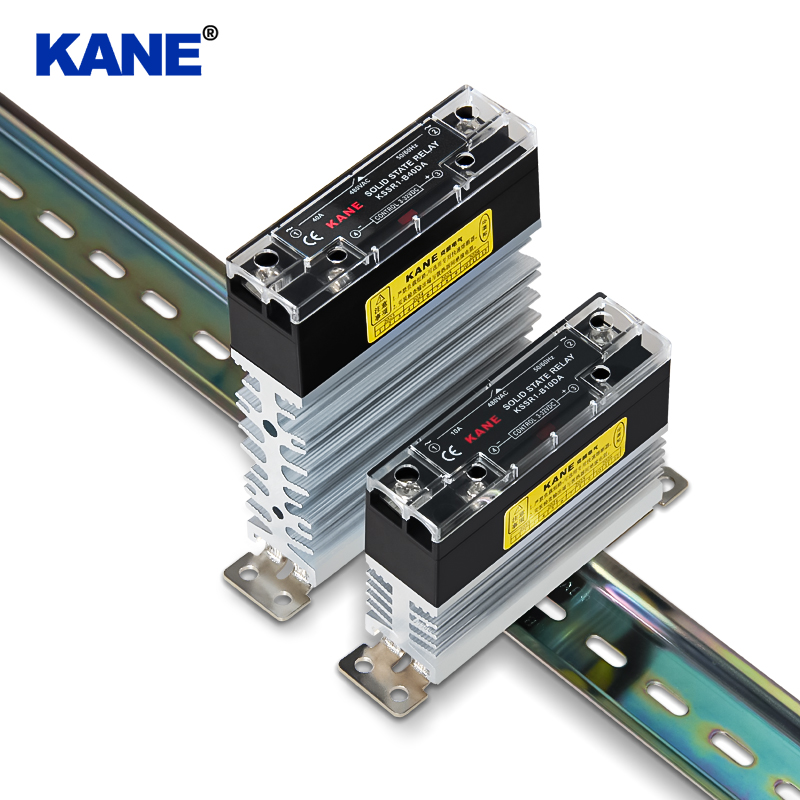
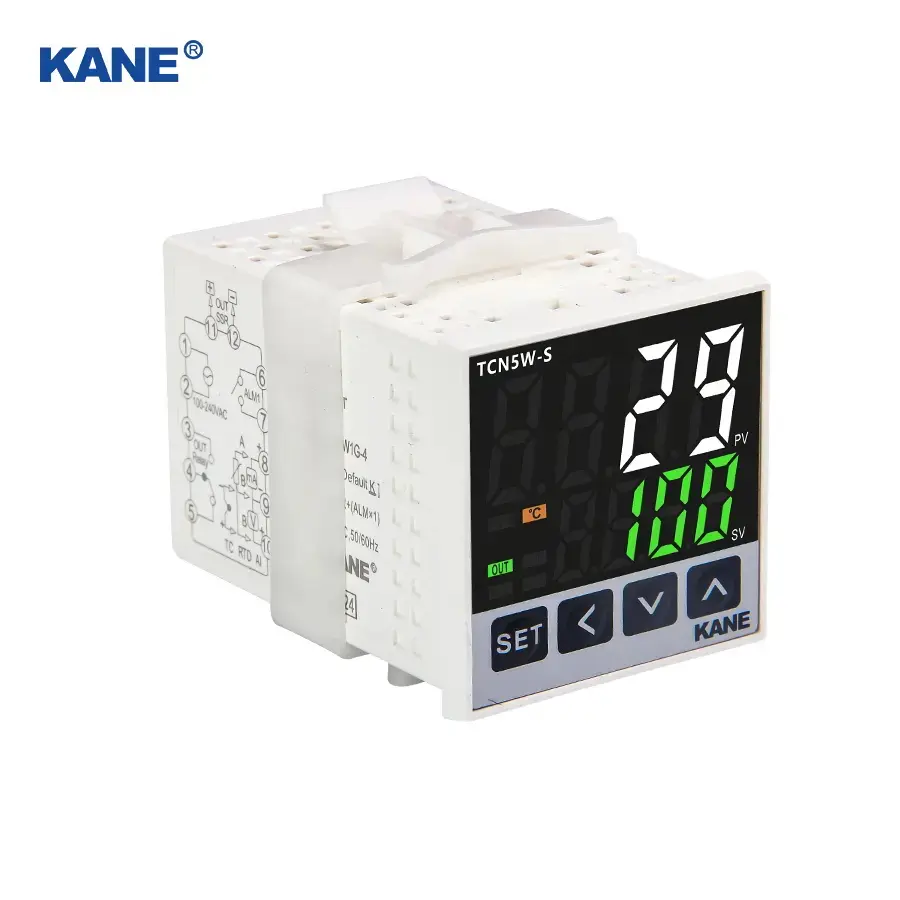
Temperature controller allows users to easily set and monitor temperature parameters
In the field of modern industrial and home automation, temperature controllers, as key control devices, are playing an increasingly important role. With the advancement of science and technology and the increase in intelligent demand, the technology of temperature controllers is constantly innovating and the scope of application is also expanding.
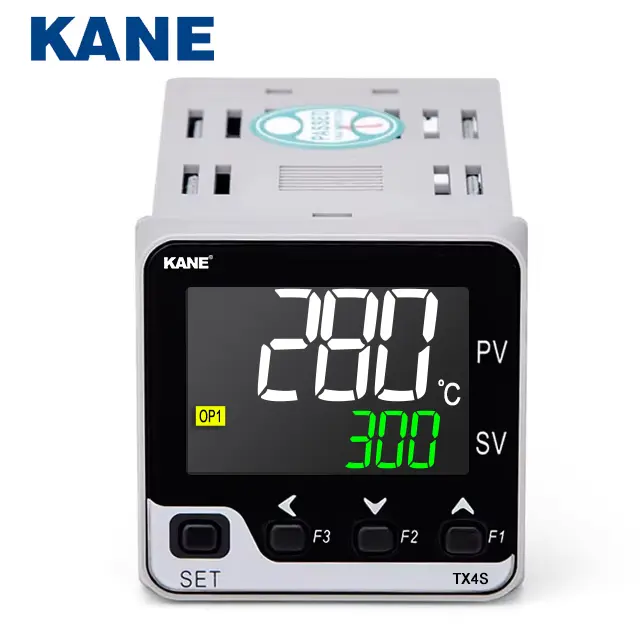
The main function of a temperature controller is to monitor and adjust the temperature of a device or environment to ensure that it operates within a set range. Traditional temperature controllers mostly use mechanical switches, which have a slow response speed and are easily affected by the external environment. Modern digital temperature controllers use advanced sensor and microprocessor technology to achieve higher precision temperature control and faster response time. These digital controllers are usually equipped with LCD displays, which allow users to easily set and monitor temperature parameters.
Temperature controllers can be divided into many types according to different application fields, including industrial temperature controllers, household temperature controllers and laboratory temperature controllers. Industrial temperature controllers are widely used in manufacturing, chemical, food processing and other fields, and can work stably under extreme conditions such as high temperature and high pressure. Household temperature controllers are mainly used in home appliances such as air conditioners and refrigerators to improve user comfort and energy efficiency.
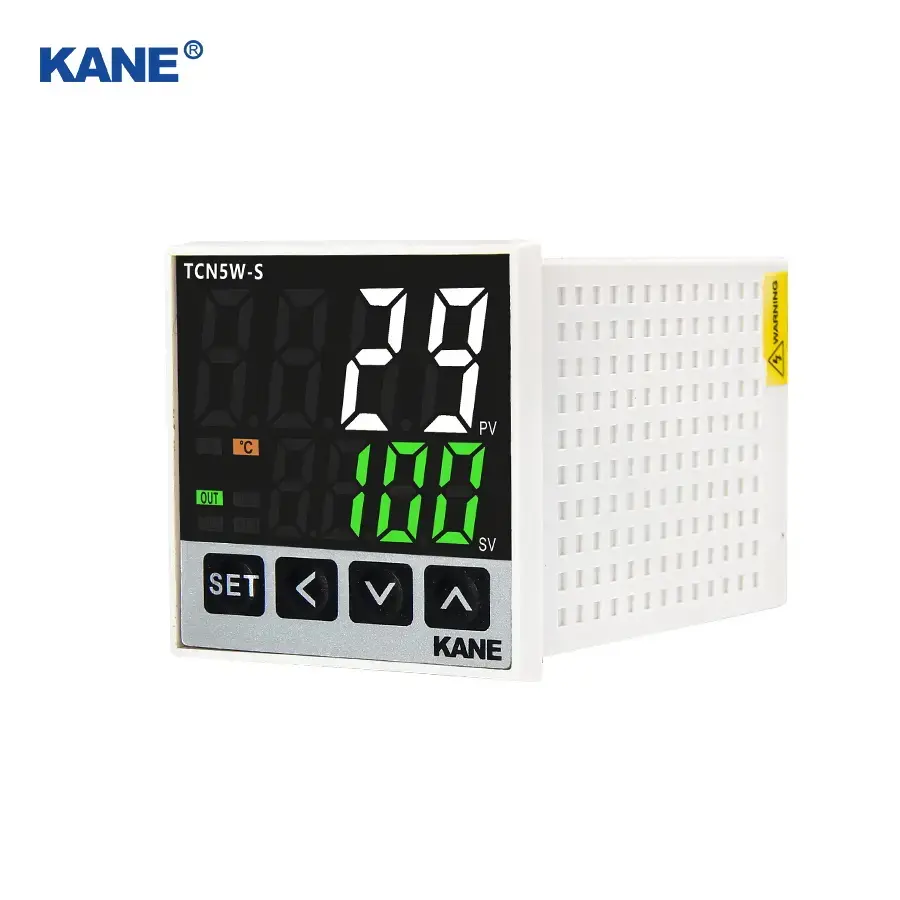
In recent years, with the development of Internet of Things (IoT) technology, smart temperature controllers have gradually become popular products in the market. These smart controllers can be connected to smartphones or other devices via Wi-Fi or Bluetooth, allowing users to remotely monitor and adjust the temperature, greatly improving the convenience and flexibility of use. In addition, smart temperature controllers can also optimize energy consumption and reduce operating costs through data analysis.
Market research shows that the demand for temperature controllers will continue to grow in the next few years, especially in the fields of smart home and industrial automation. Major manufacturers are also constantly launching new temperature controllers to meet the market's demand for high performance, high precision and intelligence. With the continuous advancement of technology, temperature controllers will play an important role in more fields and promote the further development of the industry.