



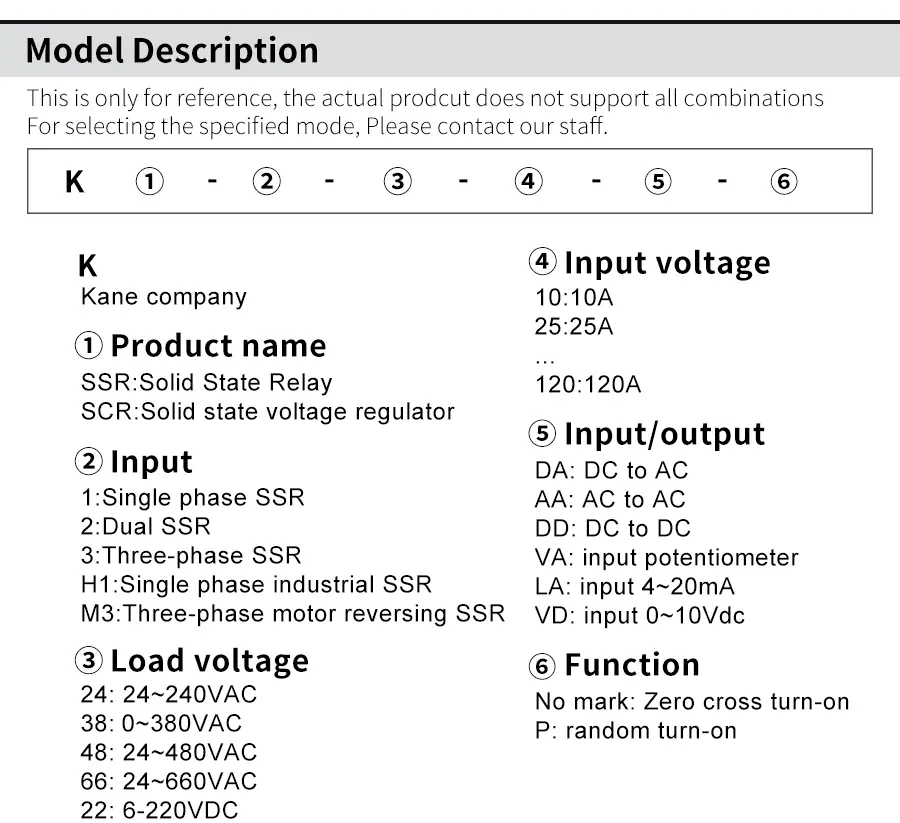
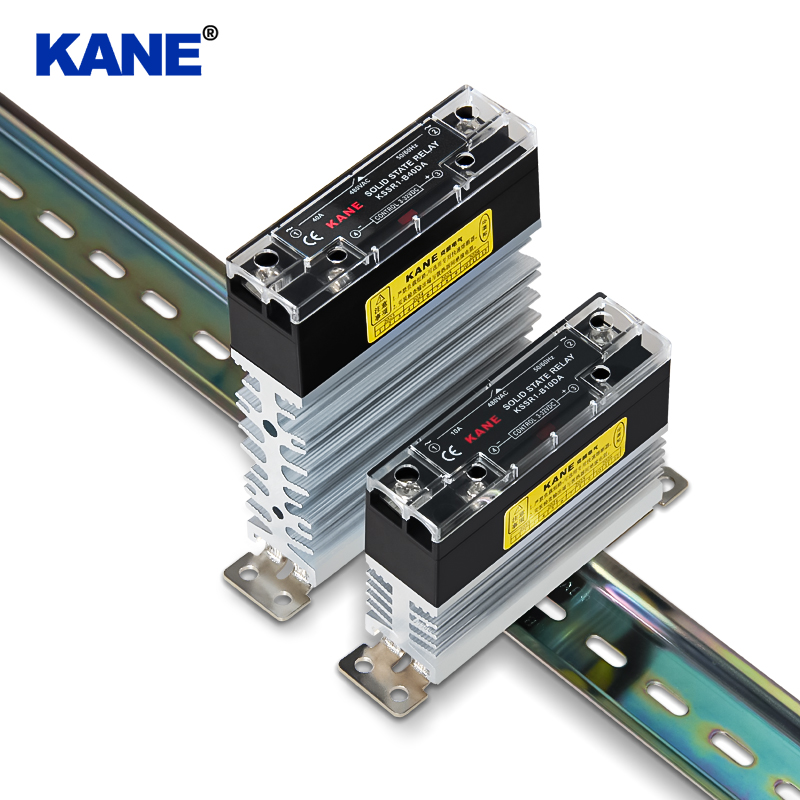
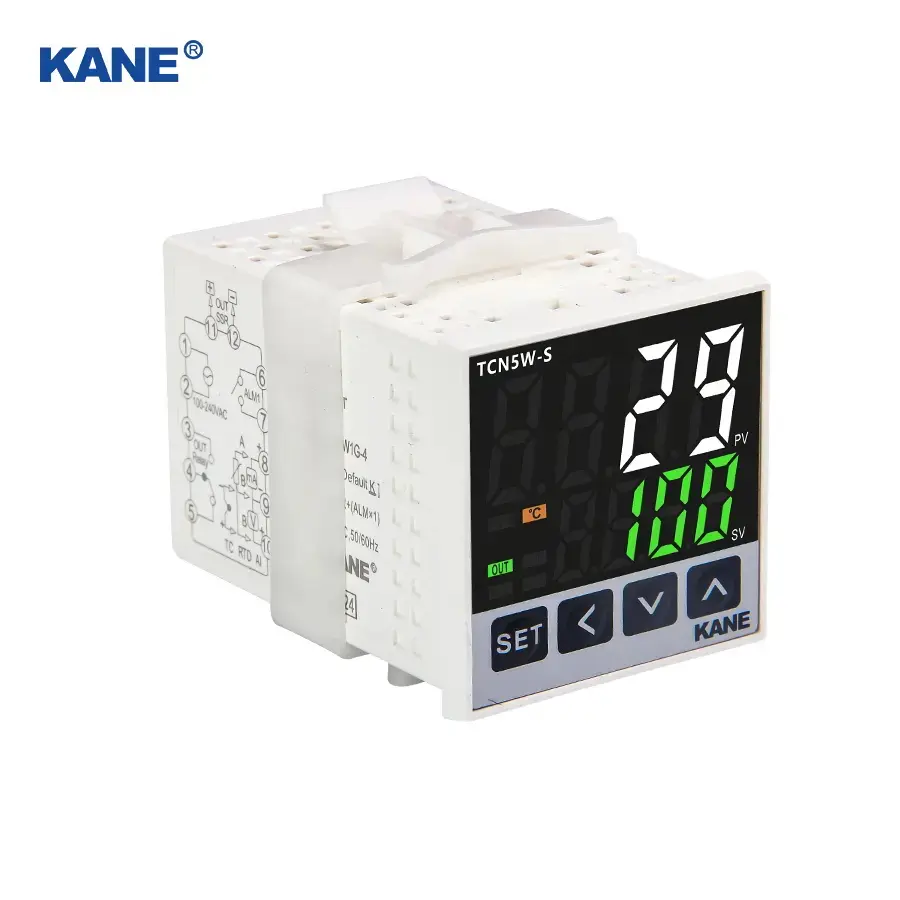
Understanding Solid State Relays: The Future of Electronic Switching
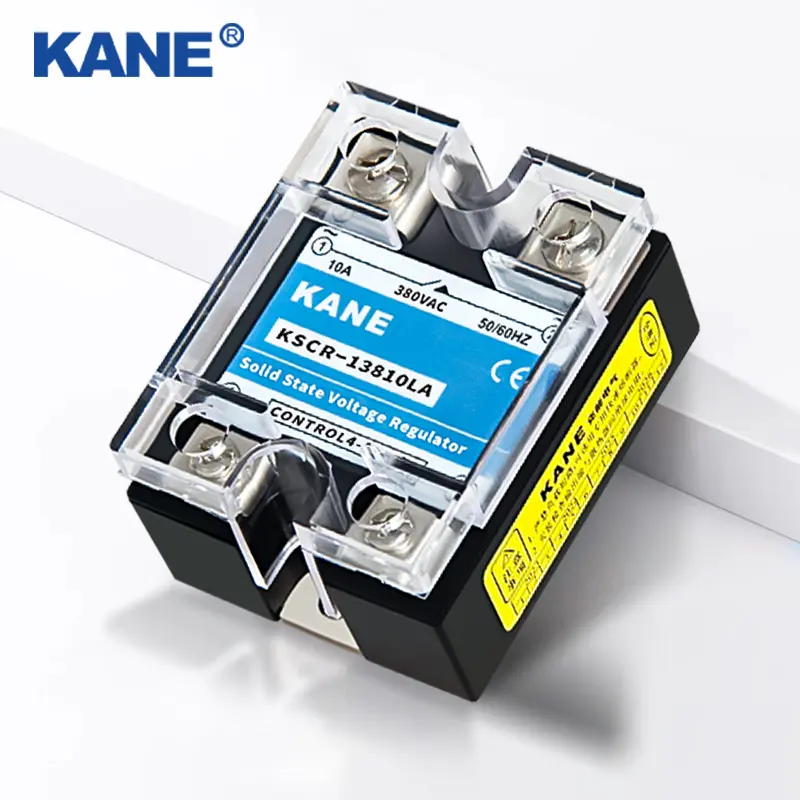
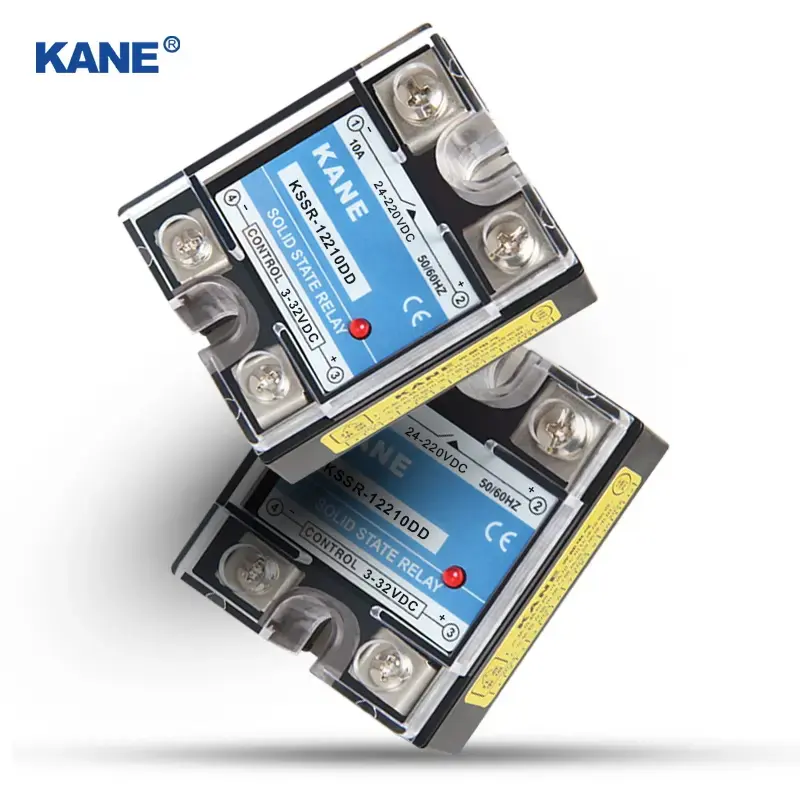
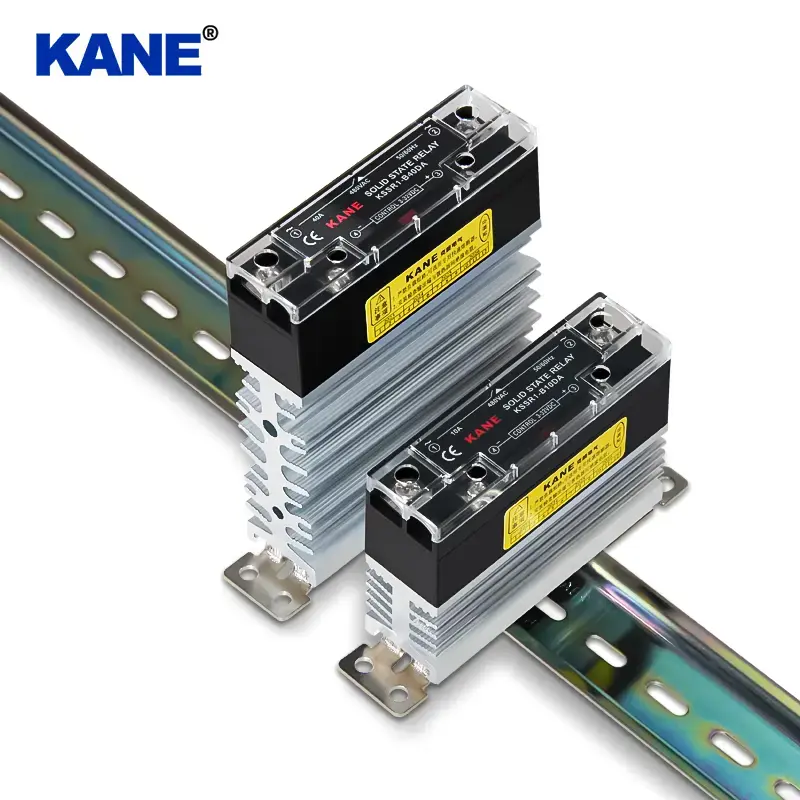
In the field of electronic switching, solid-state relays (SSRs) have become a revolutionary alternative to traditional electromagnetic relays. Solid-state relays are electronic switches that can effectively control current without mechanical moving parts. This innovative technology uses semiconductor devices such as transistors, diodes or optocouplers to perform switching functions, thereby improving reliability and efficiency in various applications. As the industry continues to develop, solid-state relays are becoming more and more widely used due to their many advantages over traditional relay systems.
One of the most significant advantages of solid-state relays is their lack of mechanical wear. Traditional electromagnetic relays rely on moving parts to open and close a circuit, which can cause wear over time. In contrast, solid-state relays do not require these mechanical parts, thereby extending their service life and reducing maintenance costs. This durability makes solid-state relays particularly suitable for applications that require long-term stable performance, such as industrial automation and home appliance controls.
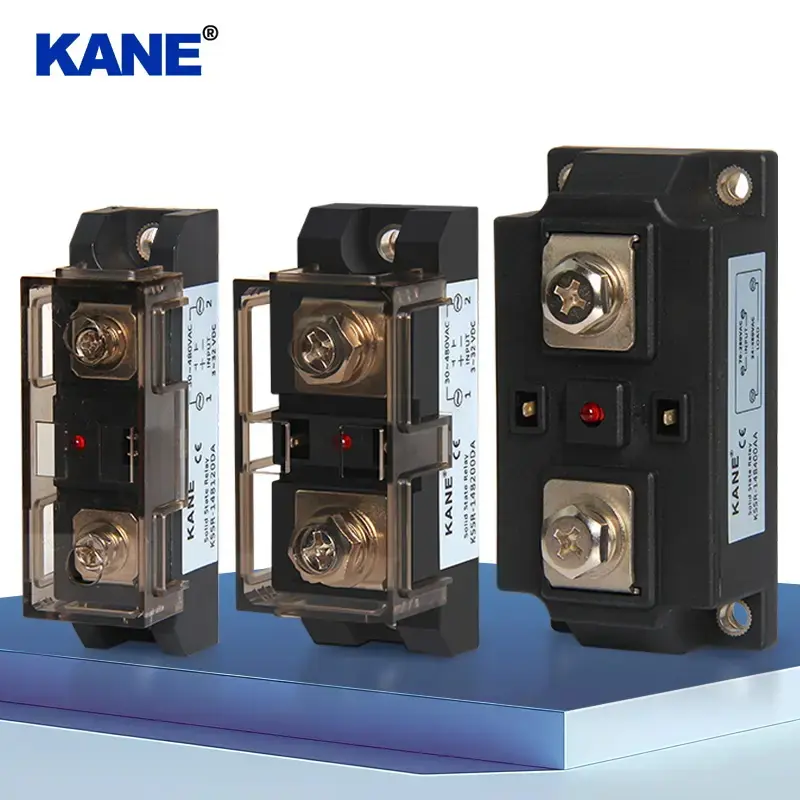
Another key feature of solid-state relays is their fast response time. SSRs can switch in microseconds, making them ideal for applications that require fast switching capabilities. This speed is critical in time-critical environments, such as temperature control systems or lighting control applications. The fast response capability not only improves operational efficiency, but also helps improve overall system performance, making solid-state relays the preferred choice of many engineers and technicians.
Solid-state relays are designed to withstand harsh environmental conditions and are vibration and shock resistant. The solid-state design eliminates the risk of mechanical failure caused by vibration or shock common in industrial environments. This reliability ensures that solid-state relays can work effectively even under harsh conditions, giving peace of mind to users who rely on stable performance. As a result, solid-state relays are increasingly used in various fields such as manufacturing, automotive, and aerospace.
In addition to durability and speed, solid-state relays also feature low power consumption. Generally, solid-state relays require less control signal power than traditional relays, making them an energy-efficient electronic switch choice. This feature not only helps reduce operating costs, but also fits in with the increasing focus on sustainability and energy conservation in modern industry. In addition, solid-state relays provide electrical isolation between inputs and outputs, which enhances safety and protects sensitive components from potential damage.
Solid-state relays represent a significant advancement in electronic switching technology. SSRs are ideal for a wide range of applications due to their lack of mechanical wear, fast response times, strong vibration resistance, low power consumption, and electrical isolation. As industries continue to seek more efficient and reliable solutions, the adoption of solid-state relays is expected to grow, cementing their position as the cornerstone of modern electronic control systems. Adopting this technology will not only improve operational efficiency, but also pave the way for a more sustainable and reliable future across industries.