

What is the difference between resistive and inductive loads?
Resistive loads are simple loads where the current and voltage sine waves are in phase with each other. The just resist the current. They include non-motor loads that have a resistance, like incandescent lighting or heating loads.
Inductive loads are more complex loads where the current and voltage are out of phase, and therefore there is a secondary voltage created that moves in opposition to the supply voltage. Because of this, they tend to create power surges when turned on or off. They include motor loads (horsepower loads) and magnetic (coils, electromagnetic) loads.

Resistive Loads:
Resistance:
Resistive loads primarily have resistance, which opposes the flow of current.
Current and Voltage:
In a resistive load, the current and voltage are in phase, meaning they peak and trough at the same time.
Examples:
Incandescent light bulbs, heating elements, and resistors.
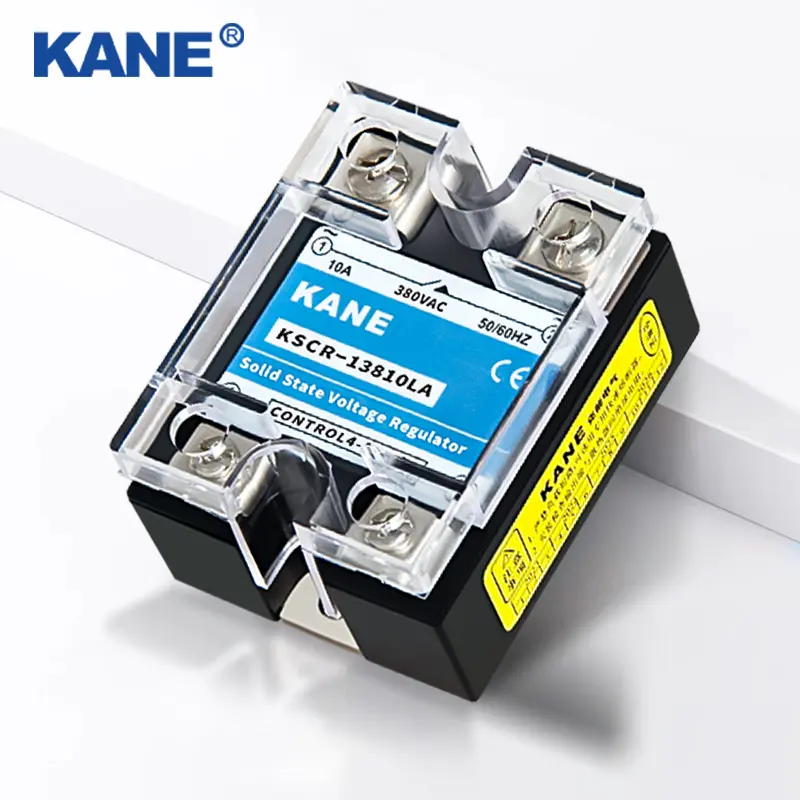
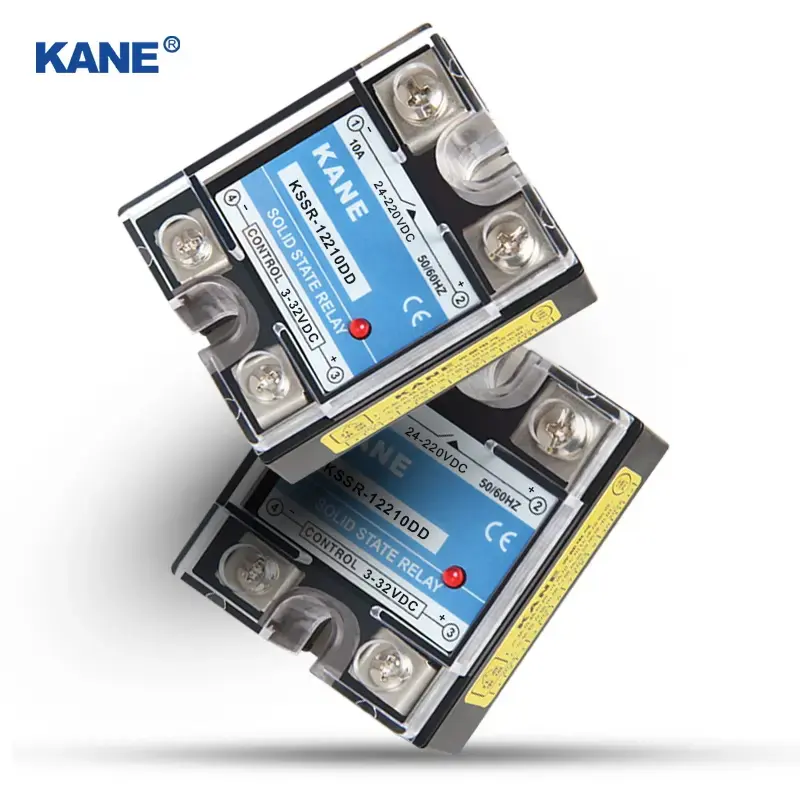
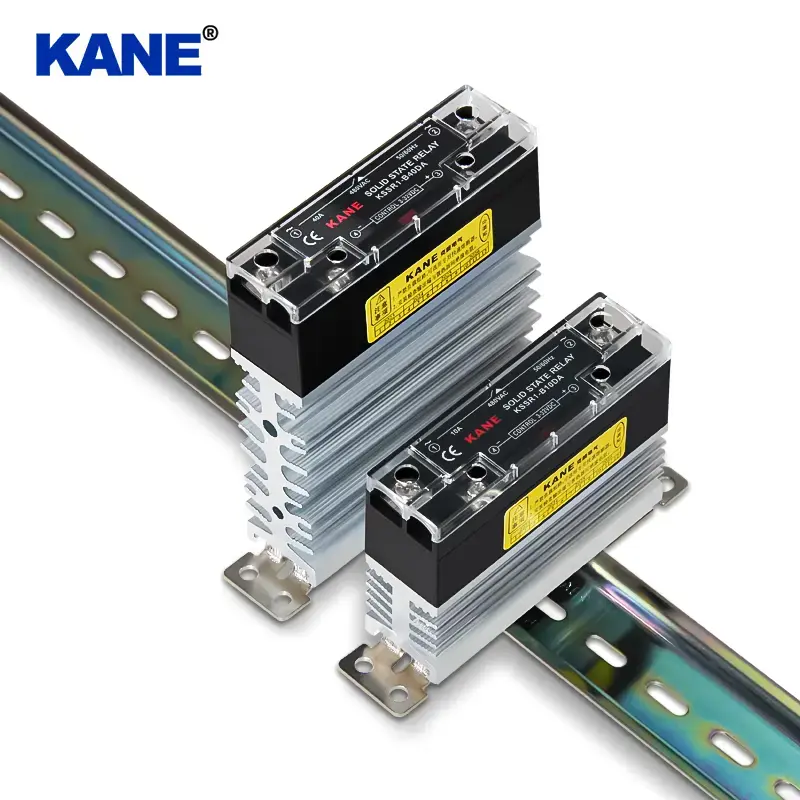
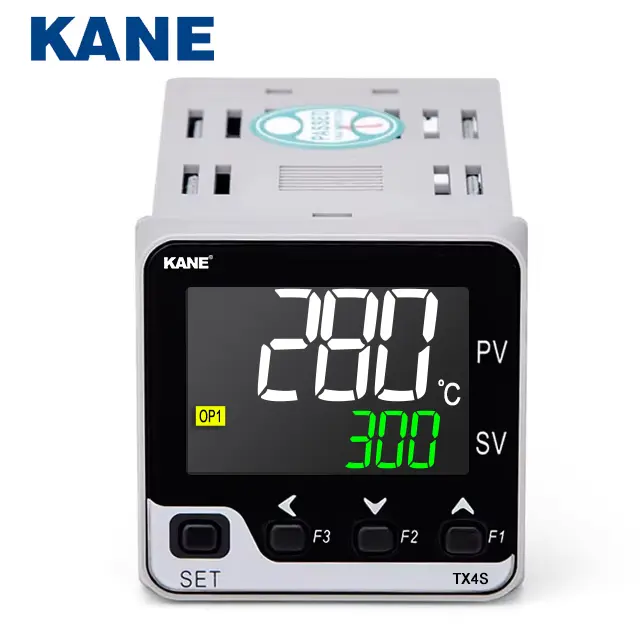
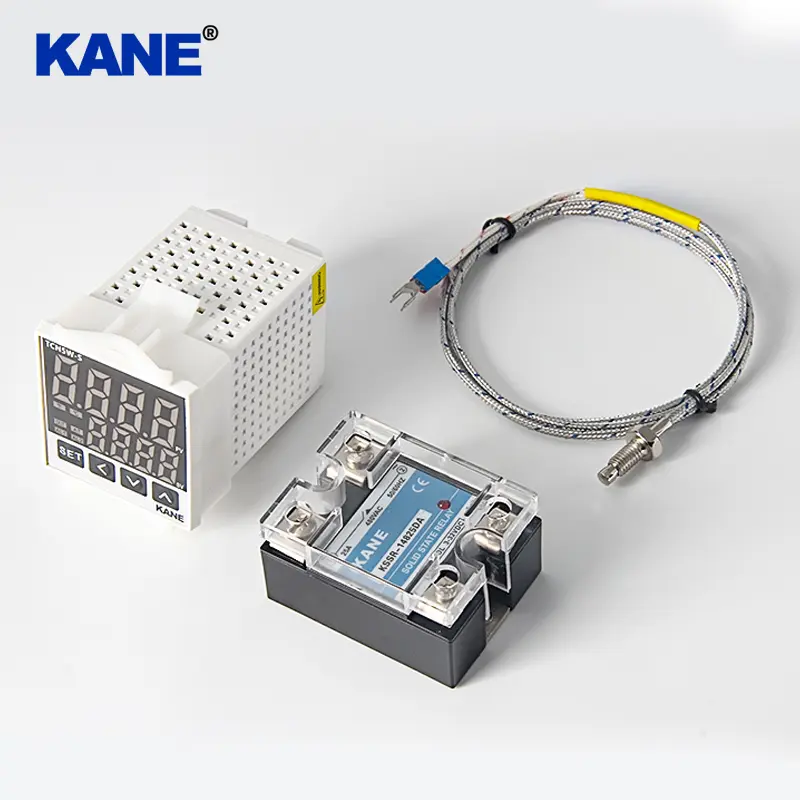
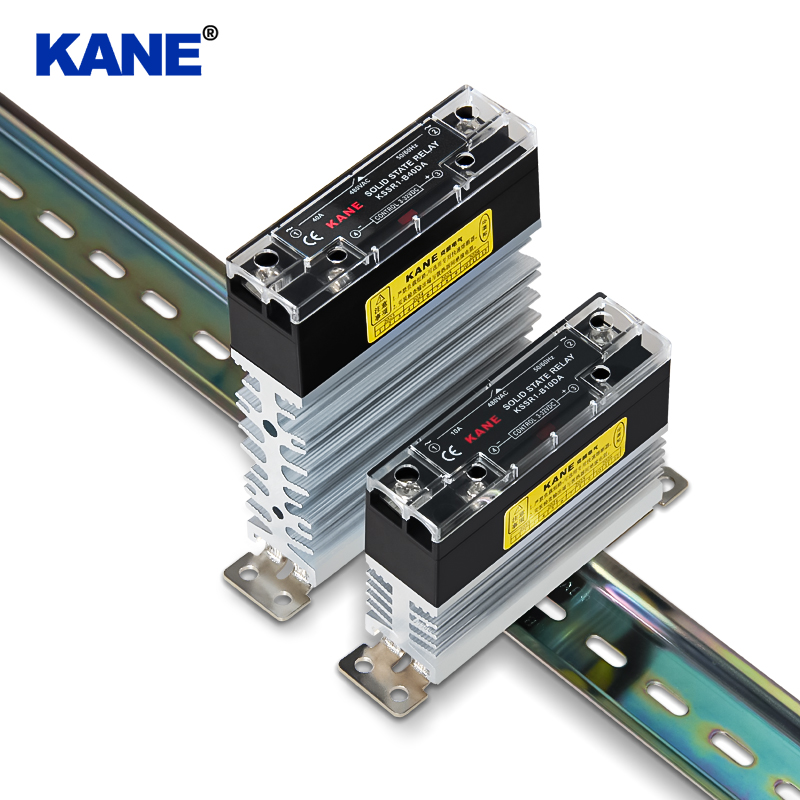
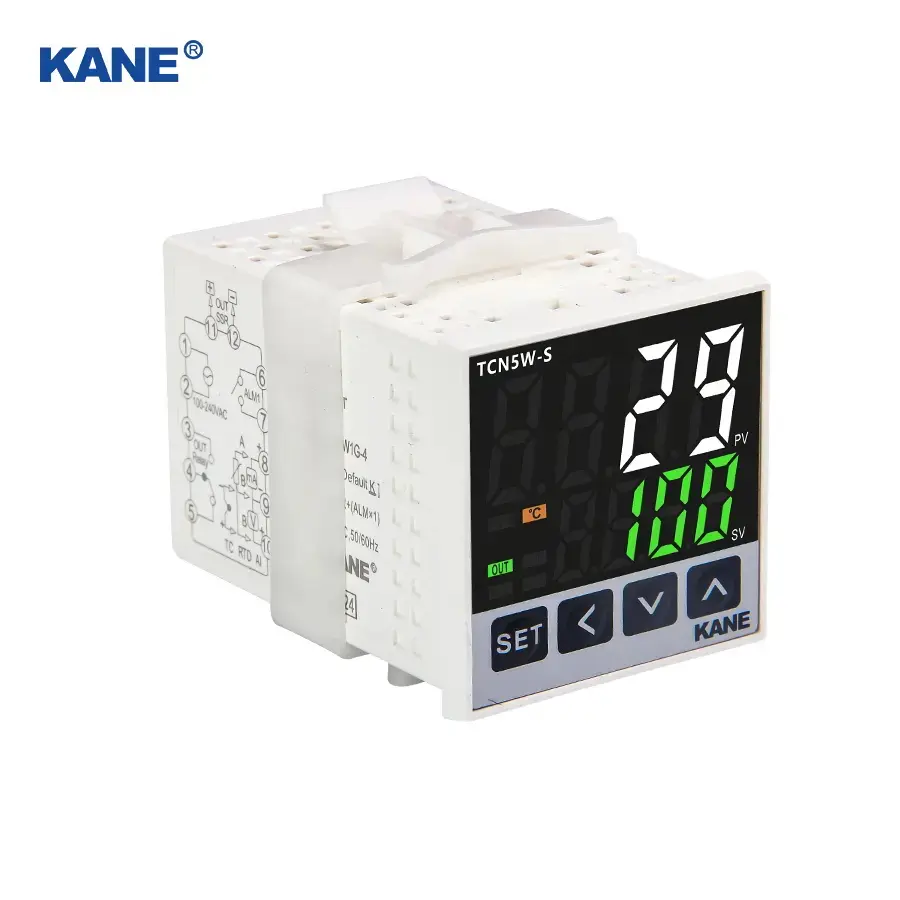
KANE SSR solid state relays, solid state voltage regulators and thyristor power regulators are very suitable for resistive loads, work with KANE TC series PID temperature controllers and thermocouples, can achieve perfect temperature control.
Inductive Loads:
Inductance:
Inductive loads have inductance, which opposes changes in current flow by storing energy in a magnetic field.
Current and Voltage:
In an inductive load, the current lags behind the voltage, meaning the current reaches its peak later than the voltage.
Inrush Current:
Inductive loads often exhibit inrush current, meaning they draw a large amount of current when initially turned on, which then settles to a steady-state value.
Power Factor:
Inductive loads have a power factor that is less than unity (less than 1), meaning they consume both active and reactive power.
Examples:
Motors, transformers, and solenoids.