Why Choose an External Switching Power Supply for Your Needs?
In today's technology-driven world, choosing the right power supply is crucial. An External Switching Power Supply offers unique advantages that can greatly enhance your device's performance. Many users may overlook this option, yet it plays a significant role in efficiency and reliability.
Using an External Switching Power Supply can provide better thermal management. This means devices run cooler, extending their lifespan. The compact design of external units can also save valuable space in your setup. Consider this: a well-placed external power supply can reduce clutter. However, not all external power supplies are created equal. It's essential to research your options thoroughly.
The choice of an External Switching Power Supply often reflects your needs. Consider efficiency ratings and output specifications. You want a supply that meets your devices' demands efficiently. Some models may deliver inconsistent performance. It’s wise to read reviews and consult trusted sources before purchasing. A well-informed decision leads to a more reliable and effective power solution.
Advantages of External Switching Power Supplies Over Internal Solutions
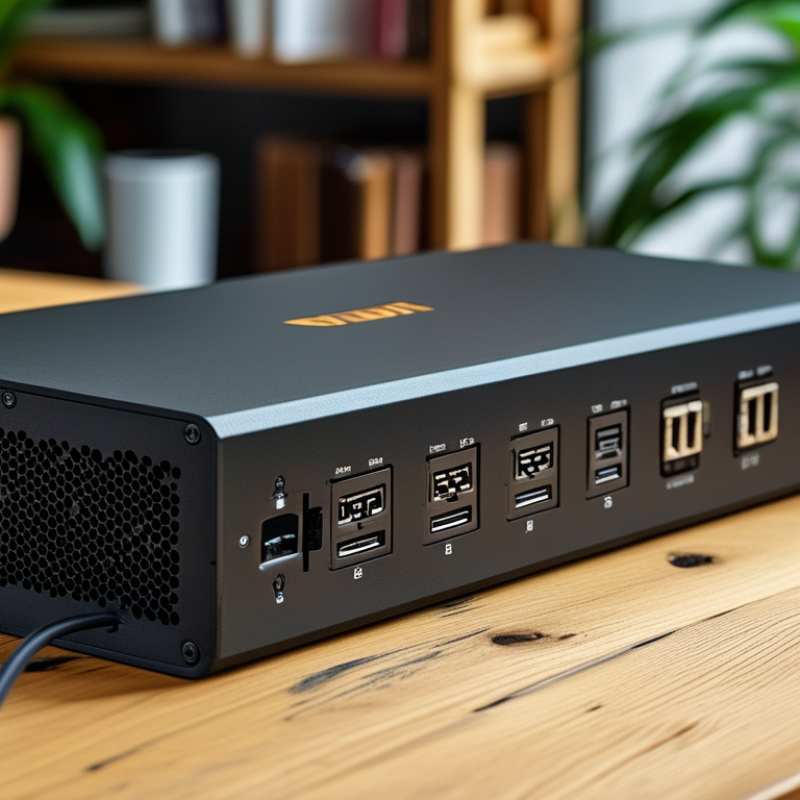
When considering power supply options, external switching power supplies often present distinct advantages over internal solutions. These external units can easily adapt to various devices, enhancing compatibility. Their design usually allows for better thermal management. Less heat buildup often leads to longer lifespans for both the power supply and the devices it powers.
While internal solutions may seem space-efficient, external power supplies can be more versatile. They can support a range of voltages and currents. This flexibility is beneficial for users needing to switch devices frequently. An external unit can be easily replaced if it fails, minimizing downtime and hassle.
Tip: When selecting an external power supply, ensure it meets the voltage and current requirements of your devices to prevent issues. An incorrect match can damage equipment.
It’s also essential to consider the layout of your workspace. Cables may create clutter, so plan accordingly. Investing time in organizing your setup can enhance efficiency and reduce frustration. Balancing performance with practicality is essential for an effective power supply choice.
Key Technical Specifications of External Switching Power Supplies to Consider
When selecting an external switching power supply, key technical specifications play a crucial role. One significant aspect is the output voltage. It must match your devices’ requirements closely. A mismatch can lead to inefficiency or even damage. Similarly, the output current capacity is essential. Ensure it meets or exceeds the demand of your equipment. Insufficient current can result in poor performance.
Another vital specification is the efficiency rating. High efficiency means less energy wasted as heat. This not only lowers costs but also extends the lifespan of the power supply. Pay attention to the operating temperature range as well. Some environments can be harsher than others. A power supply that cannot withstand specific conditions may fail prematurely.
Moreover, the size and form factor matter. A compact design is often preferable, especially in tight spaces. However, a smaller size sometimes compromises cooling. Adequate ventilation is necessary to prevent overheating. Consider the noise level too. Some supplies produce noticeable electromagnetic interference, which can disrupt sensitive electronics. Addressing these details improves reliability and performance. Each choice carries its own challenges.
Market Trends: The Growing Demand for External Switching Power Supplies
The market for external switching power supplies is expanding rapidly. Research by Grand View Research shows that the global power supply market is projected to reach $31.4 billion by 2025. This growth is driven by technological advancements and increasing applications in various industries. As devices become more energy-efficient, reliable power supply solutions are essential.
Many sectors, including consumer electronics and renewable energy, are shifting towards external switching power supplies. These devices offer higher efficiency, reducing energy consumption and operational costs. Additionally, an increase in portable devices has sparked the need for compact and lightweight power supplies. To remain competitive, manufacturers must adapt to these shifting demands and innovate constantly.
Tip: When selecting an external power supply, assess wattage requirements carefully. Always consider the efficiency ratings. A higher efficiency rating translates to lower energy costs over time. Moreover, keep an eye on regulatory standards. Compliance can prevent future headaches. Embracing these proactive measures can lead to smarter purchasing decisions.
Safety Standards and Certifications for External Switching Power Supplies
Safety is a critical factor when selecting an external switching power supply. These devices operate at high voltages and currents. Ensuring they meet established safety standards is crucial. One key standard is IEC 60950-1, which outlines safety for information technology equipment. Compliance with this standard often indicates a level of quality and reliability.
Another important certification is UL certification. This signifies the product has passed rigorous safety tests. It reassures users that the power supply can handle the rigors of daily use. Look for devices with multiple certifications, as this often reflects their design quality and reliability.
However, not all manufacturers prioritize safety. Some might cut corners to reduce costs. This raises concerns about their overall reliability. It's essential to do proper research before making a choice. Always check for visible certifications on the product. Understanding safety standards helps enhance users' confidence in their purchase.
External Switching Power Supply Safety Standards Comparison
This bar chart illustrates the number of certifications associated with various safety standards for external switching power supplies. It highlights the importance of compliance to ensure reliability and safety in power supply design.
Cost-Benefit Analysis: Long-Term Savings with External Switching Power Supplies
Choosing an external switching power supply can lead to significant long-term savings. According to a report by the U.S. Department of Energy, devices with efficient power supplies use about 20-30% less energy. This efficiency translates to lower electricity bills over time. A typical external power supply can save users between $5 to $20 annually.
While the initial cost may be higher, quality switching supplies last longer and provide consistent performance. A study by energy efficiency organizations revealed that these units reduce heat production, which can extend the lifespan of both the supply and connected devices. This dual advantage not only secures your investment but also ensures better functionality.
Tip: Look for models that comply with energy efficiency standards to maximize savings. Research shows that supplies labeled as "Energy Star" can reduce energy consumption by approximately 30% compared to standard options.
Another important point is that external power supplies can provide flexibility. They suit various devices without the need for constant replacements. However, it's essential to choose the right wattage. Mismatched wattage can lead to inefficient performance, negating the benefits you seek. Remember, quality and suitability are key when investing in power supplies.
Cost-Benefit Analysis: Long-Term Savings with External Switching Power Supplies
| Feature |
Inbuilt Power Supply |
External Switching Power Supply |
| Cost |
Higher initial cost |
Lower initial cost |
| Efficiency |
Less efficient |
Highly efficient |
| Long-Term Performance |
Potential for overheating and failure |
More durable and reliable |
| Maintenance |
Difficult to service |
Easier to replace or service |
| Versatility |
Limited applications |
Wide range of applications |
| Environmental Impact |
Higher waste with disposal |
Usually more environmentally friendly |
| Weight |
Heavier |
Lighter and more portable |