Why Choose a Scr Power Regulator for Your Business Needs?
In today’s ever-evolving industrial landscape, managing power efficiently is crucial. The SCR power regulator emerges as a vital tool for businesses looking to optimize their energy consumption. This technology offers precision control over power output, ensuring that equipment operates at peak performance while reducing waste.
Businesses often face challenges with energy fluctuations. An SCR power regulator addresses these issues effectively. It stabilizes voltage and enhances overall operational reliability. This adaptability makes it indispensable for various applications, from manufacturing lines to HVAC systems. However, the choice of integrating such technology should not be taken lightly.
Understanding the specific needs of your business is vital before committing. An SCR power regulator can lead to significant cost savings and efficiency improvements. Yet, improper implementation may lead to performance issues. Therefore, businesses must carefully evaluate their requirements and explore reputable suppliers. Ensuring a strong foundation in expertise and reliability matters greatly.
Understanding the Basics of SCR Power Regulators in Industrial Applications
SCR power regulators are crucial in various industrial applications. They provide precise control over electrical power, enhancing operational efficiency. According to a report by Markets and Markets, the global SCR power controller market is projected to reach $500 million by 2025, reflecting a compound annual growth rate of 5.0%.
In many industries, SCR regulators help manage temperature and voltage, ensuring optimal performance. For example, in electric furnace applications, they significantly improve energy efficiency. In fact, a study by the National Renewable Energy Laboratory found that optimized power controls could lead to a 30% reduction in energy consumption. This indicates that proper selection and implementation of SCR technology are essential for energy savings.
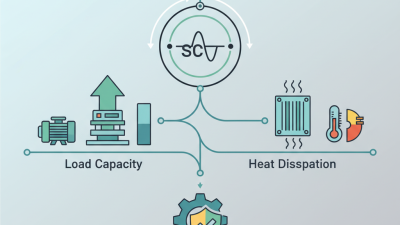
However, choosing the right SCR power regulator isn't simple. Factors like load characteristics and thermal management must be considered. Many businesses overlook these aspects, which can lead to inefficiencies. It's important to reflect on specific needs and seek expert guidance to avoid costly mistakes in the long run.
Key Advantages of Using SCR Power Regulators in Your Business Operations
SCR power regulators offer several advantages that can significantly enhance business operations. One key benefit is energy efficiency. According to industry research, SCR technology can improve energy savings by up to 30% in various applications. This reduction in energy consumption not only decreases operational costs but also contributes to a company's sustainability goals.
Another advantage is precise control over power output. SCR regulators can adjust voltage and current levels smoothly, minimizing fluctuations. This feature is particularly beneficial in manufacturing processes where stability is crucial. A report from the International Energy Agency highlights that consistent power quality can lead to a 15% increase in production efficiency.
Additionally, SCR power regulators enhance equipment lifespan. By reducing wear and tear from voltage spikes, they protect delicate machinery. Extended equipment life translates to lower repair and replacement costs. However, companies must consider initial installation costs and training needs, which are notable. Balancing these factors is essential for maximizing the benefits of SCR technology.
Key Advantages of Using SCR Power Regulators
How SCR Power Regulators Enhance Energy Efficiency and Cost Savings
SCR power regulators are increasingly recognized for their role in enhancing energy efficiency and facilitating cost savings. According to a report by the International Energy Agency, industrial facilities that utilize advanced power regulation technologies can reduce energy consumption by up to 30%. This significant reduction not only curtails energy costs but also supports sustainability initiatives.
Moreover, SCR regulators optimize the control of electrical loads. They provide precise control over power supply, adapting to varying operational needs. This adaptability can lead to a longer lifespan for equipment due to reduced thermal stress. For instance, in heating applications, power regulation can minimize temperature fluctuations, promoting consistent performance and reliability.
Despite these benefits, some industries hesitate to adopt such technologies. Concerns about initial investment costs can overshadow the potential long-term savings. Yet, studies show that many companies recover their costs within three years through reduced energy bills and lower maintenance expenses. These insights hint at a need for deeper reflection on how investing in SCR power regulators can align closely with both financial and operational goals.
Selecting the Right SCR Power Regulator for Specific Business Requirements
When selecting the right SCR power regulator for your business, the specifics of your operations must be prioritized. Many industries rely on precise power control to enhance efficiency. According to a report by the International Energy Agency, businesses can experience up to 30% energy savings with optimized power regulation. This demonstrates the potential impact of proper SCR selection.
Understanding your unique requirements is vital. For instance, some operations may have fluctuating loads that require fast response times in regulation. SCR power regulators excel in these scenarios because they can handle high voltages and provide steady performance. However, selecting the wrong capacity can lead to inefficiencies. A poorly chosen regulator might overheat or underperform, resulting in higher operational costs.
The right SCR regulator enhances safety and boosts productivity. A study by the Electric Power Research Institute highlights that robust regulators reduce downtime significantly. Failed equipment leads to costly interruptions. Thus, investing in a reliable SCR solution is critical. Companies should consider technical specifications like thermal ratings and control circuitry. These factors influence overall performance and durability, guiding businesses toward the best choices for their specific needs.
Real-World Applications and Success Stories of SCR Power Regulators
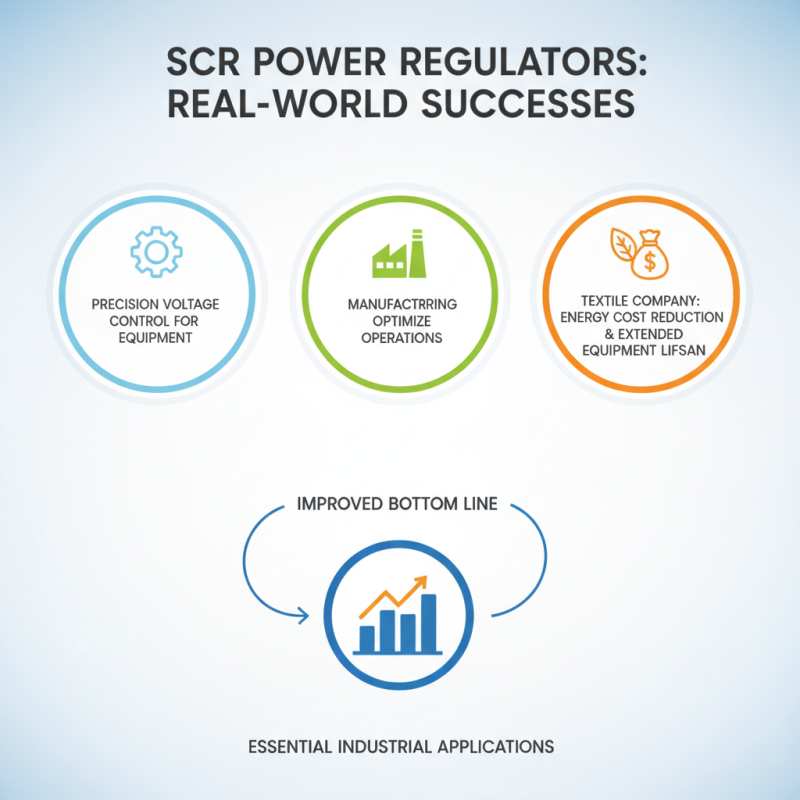
SCR power regulators are essential in various industries, providing precise voltage control for equipment. Many manufacturing plants have notably benefited from their implementation. For instance, a company producing textiles installed SCR power regulators and saw a significant reduction in energy costs. This not only improved their bottom line but also enhanced equipment lifespan.
Another success story involves a food processing facility. They faced challenges with temperature control during cooking processes. After deploying SCR power regulators, they achieved consistent temperatures. This consistency led to higher product quality and minimized waste. The results were noticeable within just a few months.
**Tips:** When considering SCR power regulators, evaluate your specific needs first. Analyze the potential return on investment. Also, inquire about available support and maintenance. Establishing a clear plan will ensure better results. Regular monitoring is key; slight adjustments can make a big difference over time.