How to Choose the Right Heat Sink for Your Application?
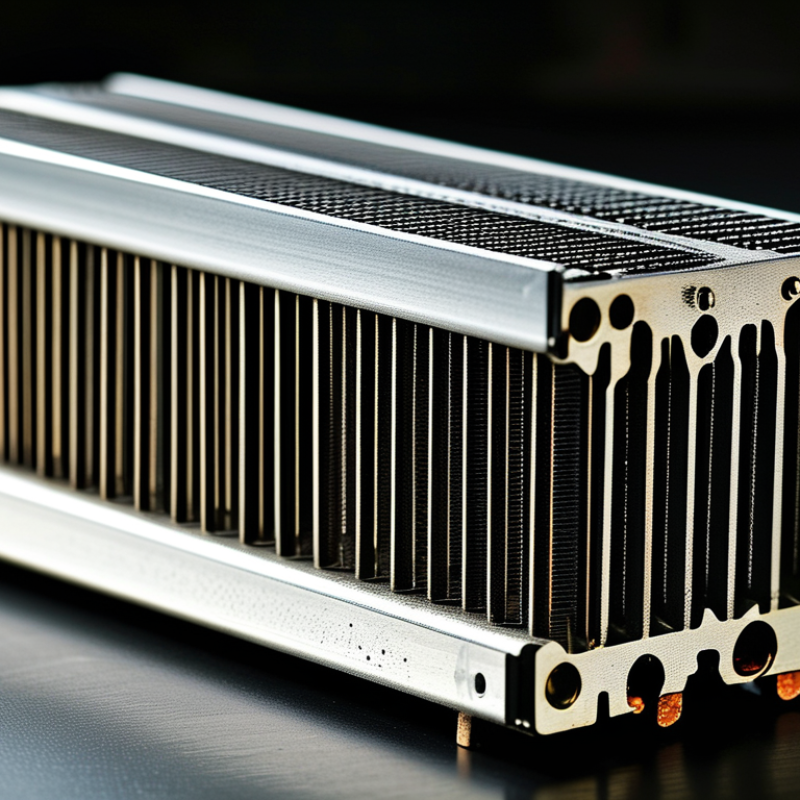
Choosing the right heat sink is crucial for effective thermal management in electronic applications. A heat sink dissipates heat generated by components, preventing overheating. Selecting an appropriate heat sink can enhance performance and prolong the lifespan of devices.
There are various factors to consider. Size and material are essential. A larger heat sink often offers better cooling, but it may not fit all designs. Aluminum is lightweight and cost-effective, while copper provides superior heat conduction. Each choice has trade-offs.
This decision process can be overwhelming. Many underestimate the importance of airflow around the heat sink. Proper orientation and placement matter significantly. It’s a balancing act. Careful evaluation allows for smarter choices, ensuring reliability and efficiency in your projects.
Understanding the Role of Heat Sinks in Electronics Cooling
Heat sinks play a critical role in the cooling of electronic components. They dissipate heat generated by devices, preventing overheating and ensuring optimal performance. According to a report by the International Journal of Thermal Sciences, improper heat management can reduce a component’s lifespan by up to 50%. This stark data highlights the importance of selecting appropriate heat sinks for various applications.
Different types of heat sinks exist, tailored for specific needs. Passive heat sinks rely on natural convection, suitable for low-power applications. Active heat sinks, equipped with fans, work best in high-performance scenarios. A study by Electronics Cooling Magazine noted that systems with active cooling can achieve temperature reductions of 20-30%. Despite these benefits, the increased noise and potential failure of moving parts can be drawbacks.
Material choice is another crucial aspect affecting performance. Aluminum and copper are common options, each with unique thermal conductivities. While copper transfers heat more efficiently, it also tends to be heavier and costlier. In applications where weight is critical, engineers must balance performance with practicality. Understanding these factors is essential for making informed decisions in heat sink selection.
Key Factors to Consider When Selecting a Heat Sink
Choosing the right heat sink can significantly impact your application’s efficiency. First, consider the thermal conductivity of the material. Common materials include aluminum and copper, each possessing different properties. Aluminum is lightweight but may not dissipate heat as rapidly as copper. This choice can affect your device's overall performance.
Another vital factor is the size and shape of the heat sink. Larger heat sinks typically provide better heat dissipation. However, they may not fit in compact spaces. It’s crucial to evaluate the physical constraints of your application. Additionally, airflow around the heat sink plays a role. Active cooling methods can enhance performance, but they require additional space for fans.
Reflect on the heat sink’s mounting options as well. Some designs allow for easy installation, while others may pose challenges. Assess the environment where the heat sink will operate to ensure durability and stability. Choosing a heat sink is not merely technical; it requires thoughtful consideration of these elements to optimize performance effectively.
Types of Heat Sinks and Their Applications
Choosing the right heat sink involves understanding various types and their specific applications. Active heat sinks use fans to enhance airflow, making them effective in high-performance computers and LED lighting. For instance, a 2021 report by the Electronics Cooling Association noted that active heat sinks improved thermal efficiency by up to 30%.
Passive heat sinks, however, are ideal for low-power devices. They rely on natural convection, which is often sufficient for components with limited heat output. These are commonly found in consumer electronics and small appliances. According to thermal management studies, passive heat sinks can achieve a temperature reduction of around 15 degrees Celsius in controlled environments.
There are also specialized heat sinks, such as ones designed for automotive applications. They need to withstand harsher conditions, including high vibration and temperature fluctuations. A detailed analysis indicated that automotive heat sinks could reduce failure rates by 20% when designed properly. Evaluating these factors is crucial for selecting the correct heat sink. Each type has its pros and cons, which require careful consideration.
Comparative Analysis of Heat Sink Types and Their Efficiency
Material Choices for Effective Heat Dissipation
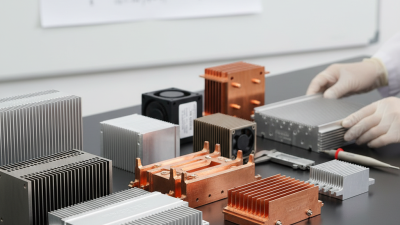
When selecting a heat sink, material plays a crucial role in effective heat dissipation. Common choices include aluminum and copper. Aluminum is lightweight and cost-effective, making it popular in many applications. Its thermal conductivity is decent, but not as high as copper. In contrast, copper boasts excellent thermal conductivity, ensuring swift heat transfer. However, it is heavier and more expensive.
The choice often depends on the specific needs of the application. For high-power devices that generate substantial heat, copper may be necessary. Yet, in less demanding scenarios, aluminum could suffice. Consider factors like weight, size, and budget. Each material has its pros and cons. Relying solely on one may lead to inefficiencies.
Another consideration is surface treatment. Anodized aluminum, for instance, can improve thermal performance. However, this may add to the overall cost. Remember that heat sinks often work in tandem with other cooling components. Balancing material requirements with the overall system design is essential. Each decision should align with performance goals. Reflect on how different materials impact cooling efficiency over time. This can guide future revisions and improvements.
Assessing Thermal Resistance and Performance Metrics
When selecting a heat sink, assessing thermal resistance is crucial. Thermal resistance, often measured in °C/W, indicates how effectively a heat sink dissipates heat. For instance, a typical thermal resistance of a well-designed heat sink can range from 5°C/W to 20°C/W. Understanding this metric helps engineers predict how hot a component will get under load.
Performance metrics should also cover airflow, material characteristics, and design topology. Aluminum is commonly preferred for its excellent thermal conductivity and lightweight properties. Studies show that optimally designed heat sinks can achieve over 90% efficiency in heat dissipation. However, factors such as ambient temperature and mounting orientation can affect performance dramatically. It’s not uncommon for designers to overlook these aspects, leading to overheating issues.
Budget constraints often lead to compromises in design. Manufacturers might opt for less effective materials or simplified geometries. Data indicates that nearly 30% of thermal management failures are due to inadequate heat sink design. Continuous evaluation and adaptation are necessary to enhance thermal management strategies.