Top Temperature Controllers for 2026 What to Buy?
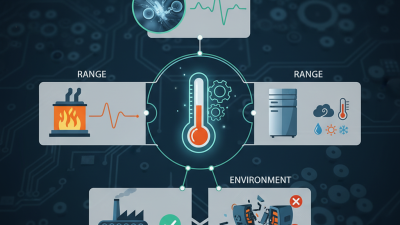
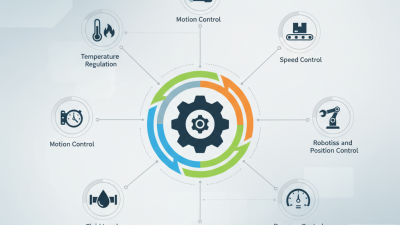
In the evolving landscape of industrial automation, "Temperature Controllers" play a pivotal role. These devices ensure optimal operational efficiency across various applications. The global market for temperature controllers is projected to reach $4.5 billion by 2026, reflecting a compound annual growth rate (CAGR) of 7.2%, according to a recent industry report.
As industries prioritize precision, selecting the right temperature controller becomes critical. The demand for advanced features, including digital interfaces and IoT connectivity, influences buying decisions. Professionals increasingly seek reliable temperature control solutions to boost productivity and reduce energy consumption.
While the advancements are impressive, it is essential to recognize that not all products may meet every requirement. Difficulty in navigating options can lead to suboptimal choices. Therefore, evaluating technical specifications and manufacturer reputation is vital. Making informed decisions based on expertise and market trends is crucial in choosing the best temperature controller in 2026.
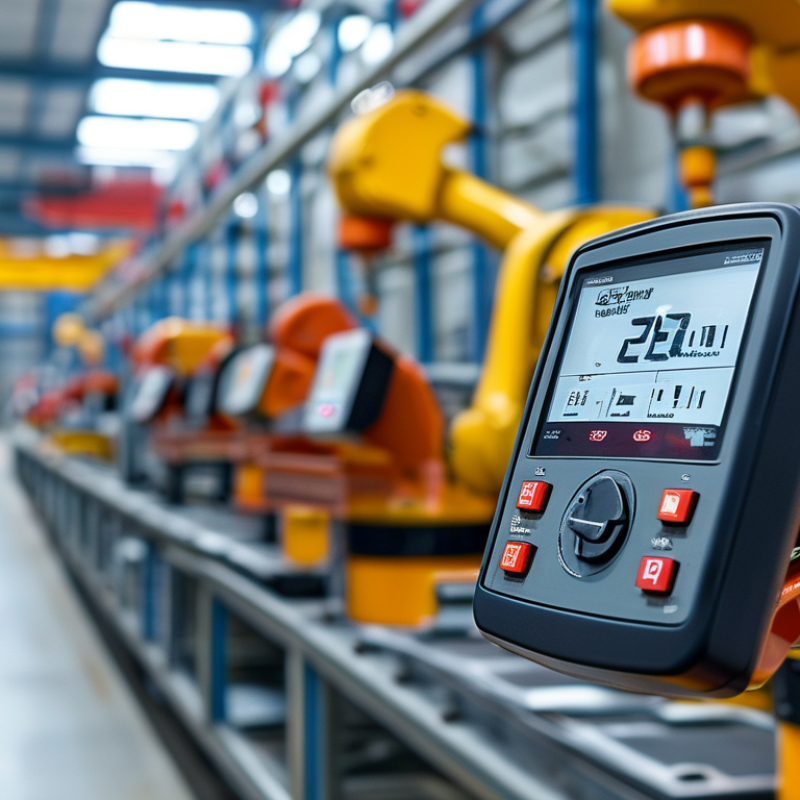
Top Features to Consider in Temperature Controllers for 2026
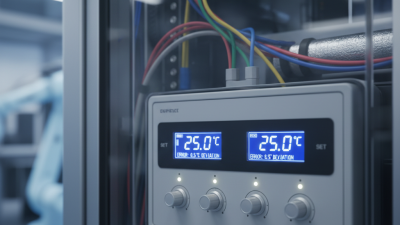
When selecting a temperature controller for 2026, several key features come into play. Precision is vital. Look for controllers with high accuracy ratings. This ensures reliable temperature readings for your applications. Stability is equally important. Controllers should maintain consistent performance under varying conditions.
User-friendly interfaces are essential. A simple display helps operators monitor settings easily. Some controllers offer remote access features. This allows users to adjust settings from anywhere, enhancing convenience. Additionally, consider compatibility with existing systems. Controllers that easily integrate with your setup save time and resources.
While advanced features are appealing, they can complicate usage. Sometimes, simpler functionalities are more effective. Reflection on your actual needs is crucial. Avoid getting overwhelmed by flashy specifications that may not enhance performance. Focus on how each feature fits your specific requirements. Identifying what truly matters will lead to a better decision.
Key Industry Trends Shaping Temperature Control Technology in 2026
As we approach 2026, the landscape of temperature control technology is rapidly evolving. Users now demand smarter, more efficient solutions. Advanced sensors and IoT integrations are becoming standard features. These innovations allow for real-time monitoring and remote adjustments. Imagine adjusting your thermostat from a smartphone while away from home. This convenience enhances user experiences significantly.
Sustainability trends are shaping the industry profoundly. More manufacturers focus on energy-efficient models, minimizing environmental impact. Users are increasingly aware of energy consumption. They expect products that not only perform well but also conserve resources. However, challenges still exist. Developing these technologies at scale can be complicated. The balance between cost and efficiency is often difficult to achieve.
Data analytics is another key trend. More controllers use algorithms for predictive maintenance. This technology can identify potential failures before they happen. Users can save money and avoid downtime. The complexity of data interpretation remains a hurdle, though. Companies must ensure that users fully understand their systems. Simplifying data presentation will be essential for better user engagement in the coming years.
Comparison of Leading Temperature Controller Brands and Their Market Shares
When exploring temperature controllers for 2026, understanding market dynamics is crucial. Many brands dominate the landscape, each with unique features. Reliable options vary significantly in pricing, precision, and functionality. The market shares of leading brands highlight their strengths and weaknesses.
Some brands excel in user-friendly interfaces while others focus on advanced features. It's essential to analyze what you need. Are you looking for ease of use or high precision? Brands may excel in one area but lag in another, which is important to evaluate.
Tips: Always read user reviews. Real-life experiences can shed light on product reliability. Make a list of what matters most to you. This can guide your choice effectively.
Remember, not every top brand is perfect. Some may lack after-sale support, which can be problematic. It’s wise to weigh these factors when making your decision. Ultimately, the right temperature controller for you should balance features with your specific requirements.
Energy Efficiency Standards and Regulations Impacting Temperature Controllers
As we approach 2026, it's crucial to consider
energy efficiency in temperature controllers. Regulations are evolving to
prioritize sustainability. These standards are set to impact manufacturers and users alike. Adapting to these
guidelines can significantly improve energy consumption.
Temperature controllers are vital in various industries. They are used in HVAC systems, refrigeration, and
process automation. Many industries face pressure to reduce their carbon footprint. Compliance with new regulations can be a challenge for some companies. Yet, it offers a
pathway to innovate and improve system efficiency.
Selecting energy-efficient models can sometimes feel overwhelming. Many users may not fully understand the
implications of these regulations. Understanding the
technical specifications is essential. Awareness of upcoming changes can influence purchasing decisions.
Knowledge gaps in this area may lead to improper choices. It’s crucial to seek professional advice when
evaluating options. Emphasizing efficiency can lead to
long-term savings and environmental benefits.
User Reviews and Expert Recommendations for Top Temperature Controllers in 2026
When considering temperature controllers for 2026, user feedback highlights key features that drive satisfaction. A recent industry report found that nearly 70% of users prioritize precision in temperature control. Many also express a desire for user-friendly interfaces and reliable performance. Expert reviews consistently note that durability and energy efficiency significantly influence purchasing decisions.
Tips: Look for controllers with programmable settings. This can boost efficiency and ease of use. Research shows that models with robust customer support tend to receive higher ratings. Ensure you read product reviews. They can help uncover real-world performance issues.
Another essential point is how technology evolves. Wireless connectivity has become common. Yet, some users report connectivity problems, which can be frustrating. Make sure to investigate compatibility with existing systems. Some temperature controllers may not integrate smoothly. Proper research can save time and money in the long run.